SEO is not dead in 2026. Google still processes over 8.5 billion searches per day and organic search still drives more website traffic than any other single channel for most small businesses. But the version of SEO that most small businesses were taught, keyword targeting and link building and technically optimized pages, is no longer sufficient on its own because more than 58% of Google searches now end without a click. AI Overviews answer questions before anyone needs to visit a website. This does not kill SEO. It changes what SEO needs to accomplish and adds a layer of strategy most small businesses have not yet built. Bernie Fussenegger at B2The7 in Louisville tracks search visibility data weekly and covers what is actually working in 2026 versus what the old SEO playbook produced.
SEO is not dead in 2026. Google still drives more discovery than any other channel, so abandoning it is a mistake. But more than 58% of searches now end without a click, which means SEO alone is no longer enough. You need GEO, the AI search visibility layer, added on top of it.
SEO is dead is one of the most reliably wrong predictions in digital marketing. It has been declared dead after every major Google update, every major platform shift, every AI announcement, every time a pundit needed a provocative headline. And every time, Google search kept driving traffic and businesses kept getting customers through search.
But here is the thing. The people declaring SEO dead are not entirely wrong. They are pointing at something real. They just get the conclusion backwards.
Something did change. The old SEO playbook does not work as well as it used to. Not because SEO is dead but because the search environment has changed in ways that require a different approach. And the businesses that understand what actually changed are the ones holding positions right now while the ones still doing 2022 SEO are watching their traffic slowly drain.
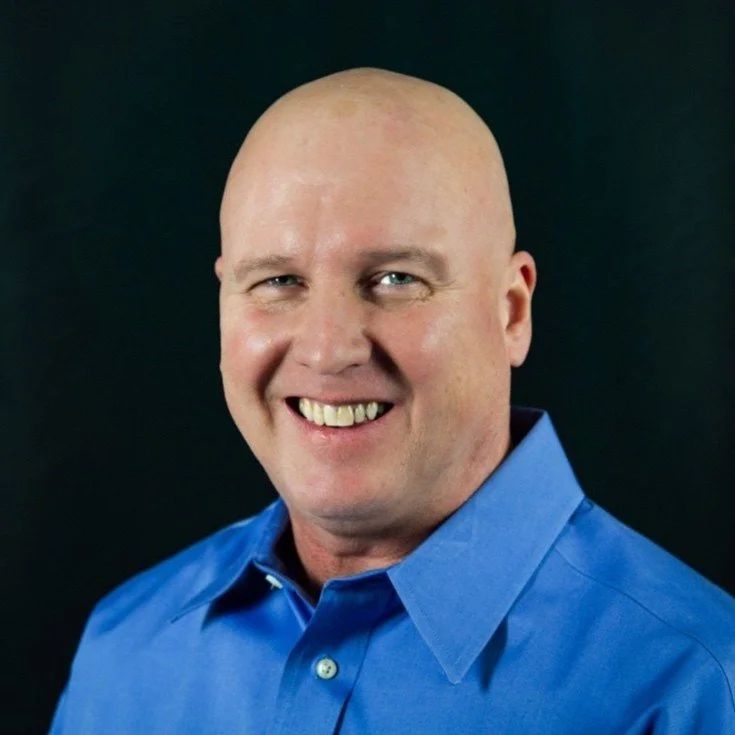
I'm Bernie. I run B2The7 and I track search data weekly for this site and for client sites. Here is the honest version of what changed, what did not, and what a small business should actually do about it.
What You Will Learn
What the "SEO Is Dead" Crowd Gets Right
The people saying SEO is dead are pointing at something real. They are just wrong about the conclusion.
What they are pointing at is that the click-through rate on traditional organic search results has declined significantly. More than 58% of Google searches now end without a click. AI Overviews answer the question before the searcher needs to visit a website. Featured snippets provide direct answers above the organic results. Knowledge panels answer factual queries without requiring a click. People Also Ask boxes answer follow-up questions in the same results page.
All of that is real. Organic search clicks per impression are lower than they were three years ago. A site that holds position one on a query that generates an AI Overview is getting a fraction of the clicks it would have gotten for the same position in 2022.
of Google searches now end without a click, up sharply from a few years ago
The specific form of SEO that optimizes for clicks from organic rankings is less effective than it used to be. That part of the argument is correct. But the conclusion that SEO is therefore dead assumes that clicks from organic rankings are the only value search visibility produces. And that assumption is wrong.
What the "SEO Is Dead" Crowd Gets Wrong
A site that ranks at position one on a query and gets cited in the AI Overview above the results is not failing at SEO. It is succeeding at it. The citation is the result. The zero click is a byproduct of the citation reaching the user before they need to click.
Here is a real example from this site. The b2the7.com site ranks at position 1.0 for the keyword "how does geo work." In the past nine weeks that keyword has generated over 1,100 impressions and zero clicks. Is that SEO failing? No. That is a Google AI Overview using the article as its source and answering the question for the user before they need to click. The site is being cited. The brand is getting visibility. The authority signal is real.
The people declaring SEO dead are measuring success only by clicks. But brand visibility, AI Overview citations, featured snippet placement, and the authority signals those generate are all SEO outcomes that do not require a click to be valuable. If you want the mechanics of how that citation actually gets earned, I broke it down in the how to get cited in AI search guide on this site.
Search is still the largest single driver of discovery for most businesses. Google is still where people go when they want to find something. What changed is what happens after they type the query. More of them are getting the answer before they click. The businesses that produce the answer are still winning. They are just winning in a different way than they did before AI Overviews existed.
What Still Works and Should Not Be Abandoned
Several things from the traditional SEO playbook are as important as they ever were.
Technical SEO fundamentals
A site that is slow, mobile-unfriendly, has broken links, or blocks search engine crawlers is not going to rank regardless of how good the content is. This has always been true and it is still true. Page speed, mobile optimization, proper indexing, canonical tags, schema markup. These are the infrastructure that everything else depends on.
Topical authority through consistent publishing
Google still rewards sites that publish consistently on a specific topic. The b2the7.com site ranks at position 1 for GEO-related queries because it has published over twelve articles on GEO topics across the past six months, all cross-linked. The topical authority signal comes from the cluster, not from any single article. That compounding effect from consistent topical publishing is as real in 2026 as it was in 2022.
Local SEO signals for businesses with a local market
Google Business Profile, consistent directory citations, local keyword targeting, and customer reviews are still the foundation of local search visibility. These signals drive both traditional local search rankings and the local AI recommendations that Gemini, ChatGPT, and Google AI Overviews generate for location-specific queries. Local SEO did not get less important. It got more important because local AI recommendations rely on the same signals.
E-E-A-T signals
Experience, expertise, authoritativeness, and trustworthiness. Google has been emphasizing these signals for years and the AI search shift has made them more important, not less. Content that demonstrates real experience and real expertise from a named, credible source outperforms generic AI-generated content and generic human-written content in both traditional rankings and AI citation selection.
What Is New and Necessary
Here is the part that most small businesses are missing and that the "SEO is dead" crowd is actually pointing at, even if they are drawing the wrong conclusion.
Answer in the first paragraph
The traditional blog post structure puts the answer in the middle or the end. The 2026 search environment requires it in the first two sentences. AI Overviews, featured snippets, ChatGPT, Perplexity, and Gemini all pull from early content. A page that buries the answer gets skipped by AI extraction even when it ranks well for the keyword.
FAQ sections on every key page
FAQ content is pre-structured as a question and a direct answer. AI tools extract this format more reliably than any other content format. Adding a FAQ section to every service page and key blog post is the highest-ROI structural change most small business websites can make right now. It takes an hour per page and improves both traditional featured snippet eligibility and AI Overview citation probability.
GEO alongside SEO
GEO, Generative Engine Optimization, is the set of practices that build visibility in AI-generated search responses. It is not a replacement for SEO. It is a layer that needs to be added on top of it. I covered what GEO is and how it works in the what is GEO and how does it work article on this site. The short version is that the same content signals that earn AI citations, early answers, FAQ structure, specific named expertise, also improve traditional SEO performance. Adding GEO is not starting over. It is improving what you already have in the direction AI search requires.
External citation building beyond just links
Traditional SEO emphasized backlinks. GEO emphasizes external citations more broadly: consistent business listings across directories, reviews on multiple platforms, mentions in local and industry press, professional directory listings. These external verification signals build the kind of AI confidence in a business that earns AI Overview citations and ChatGPT recommendations. They also build traditional domain authority. The two goals are aligned.
The Honest Answer for a Small Business in 2026
SEO is not dead. But the old playbook is not enough.
A small business that is only doing 2022 SEO is leaving AI search visibility on the table. That matters more than it did two years ago because more than half of all Google searches now end without a click, and the businesses earning those zero-click citations are building brand authority and AI recommendation probability that compounds over time.
A small business that abandons SEO entirely because someone declared it dead is making a different and worse mistake. Google search still drives more discovery than any other channel. The foundation matters.
What works in 2026 is both. SEO done well, with the technical fundamentals in place and consistent topical authority built over time, plus GEO added on top of it, with answers in the first paragraph, FAQ sections, specific attributed content, and external citation building. Neither one is optional. They are two layers of the same visibility strategy.
The comparison between what SEO and GEO each require and where they overlap is in the GEO vs SEO article on this site. If you have been doing SEO for a while and want to understand specifically what GEO adds, that is the right place to start.
Frequently Asked Questions
No. Google still processes over 8.5 billion searches per day and organic search remains the largest single driver of website discovery for most small businesses. What changed is that more than 58% of Google searches now end without a click because AI Overviews, featured snippets, and knowledge panels answer questions directly on the results page. This does not make SEO irrelevant. It changes what SEO needs to accomplish and adds AI search visibility as a parallel goal that the traditional SEO playbook does not fully address.
The most significant change is the expansion of zero-click search behavior driven by Google AI Overviews. More queries now produce a synthesized answer above the organic results, which means position-one rankings generate fewer clicks than they did two or three years ago. At the same time, AI tools like ChatGPT, Perplexity, and Gemini are increasingly answering buyer-intent queries with named business recommendations rather than directing users to search Google. Both changes require adding GEO practices on top of traditional SEO, not replacing SEO with something else.
Technical SEO fundamentals (page speed, mobile optimization, proper indexing, schema markup), topical authority built through consistent publishing on a specific subject area, local SEO signals including Google Business Profile and directory citations, and E-E-A-T signals demonstrating real experience and expertise from named credible sources. All of these are as important in 2026 as they were in 2022 and in some cases more important because AI search pulls from the same signals.
Three things specifically. First, rewrite the first paragraph of key pages so the answer to whatever question that page is about appears in the first two sentences. Second, add FAQ sections with direct question and answer pairs to every service page and key blog post. Third, build external citation presence beyond just backlinks, including consistent business listings across directories, reviews on multiple platforms, and mentions in relevant publications. These three changes improve both traditional SEO performance and AI search citation probability simultaneously.
Check Google Search Console for keywords where you hold position one to three with high impressions but near-zero click-through rate. That pattern is the signal of AI Overview capture, where your content is being cited in an AI-generated answer above the organic results. If you see it, your SEO is working but you are in a zero-click environment on that keyword. Also check what ChatGPT, Gemini, and Perplexity say when asked for recommendations in your category and city. If your business does not appear, you have an AI visibility gap that traditional SEO is not addressing.
The Bottom Line
SEO is not dead. But the version of SEO that stopped at keyword targeting and link building is no longer sufficient.
The businesses holding strong search positions right now are the ones that kept the traditional SEO foundation and added the AI visibility layer on top: answers in the first paragraph, FAQ structure, specific attributed content, external citation building beyond just links.
The businesses that abandoned SEO because someone declared it dead are losing organic discovery. The businesses still doing only 2022 SEO are losing AI search visibility. Both groups are leaving customers on the table.
If you want to understand where your specific search strategy stands and what the priority updates are for your business, that is exactly the work I do. Reach out at b2the7.com/contact.
SEO and GEO Strategy
B2The7 helps Louisville small businesses build search strategies that work across both traditional Google rankings and AI search visibility. One strategist, real data.
Work With BernieEmail Newsletter
Marketing news and practical strategy for small business owners. No filler. Straight to your inbox.
Get the NewsletterBernie Fussenegger is a Louisville-based digital marketing strategist who helps small businesses get found on Google and inside AI search results. He has built marketing programs for companies including Papa John's and Confluent Health and now works with small businesses that need enterprise-level thinking at a scale that actually fits them. Find him at b2the7.com.