
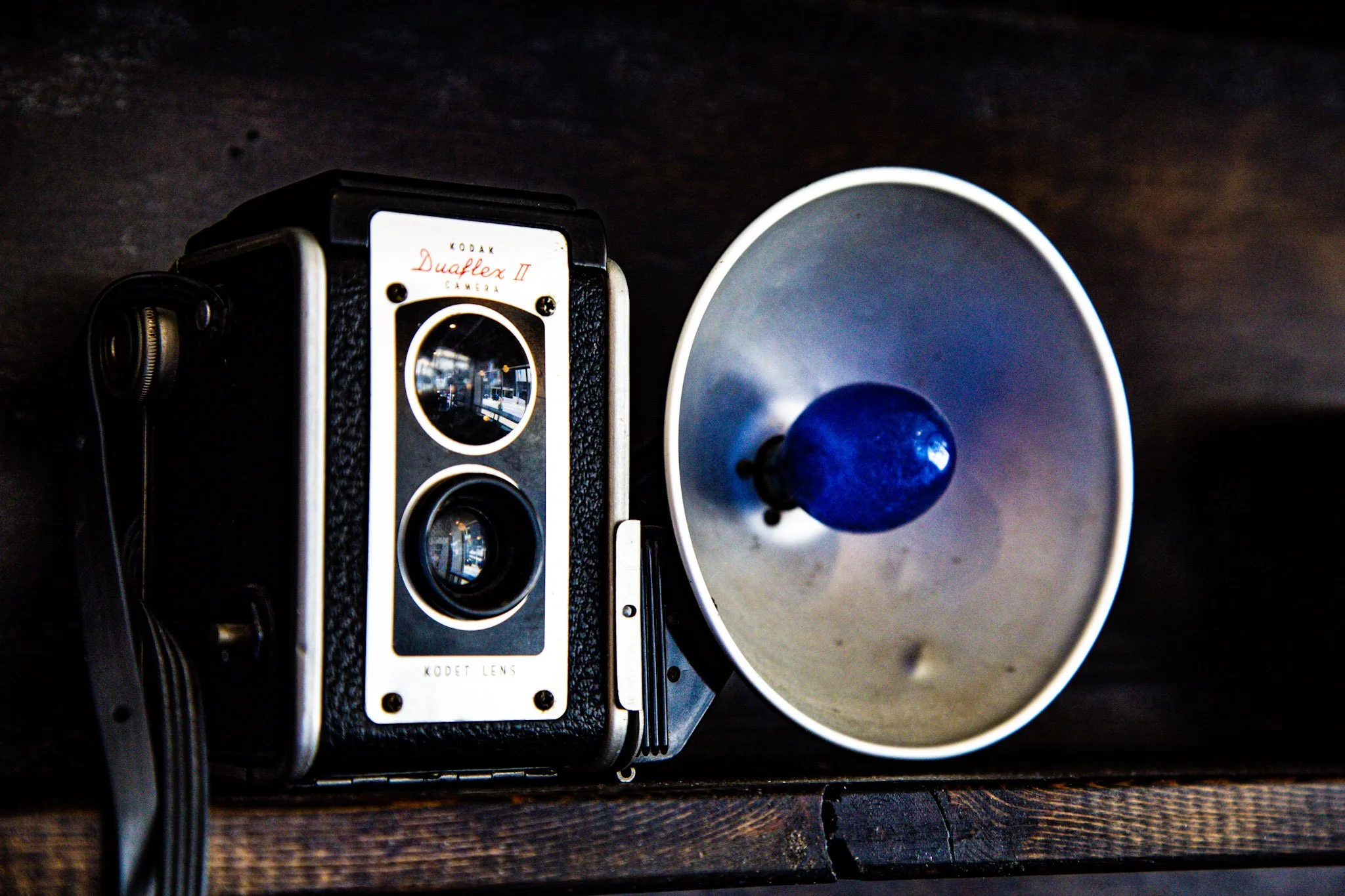
Product Photography for Brands & Ecommerce — B2The7 Louisville, KY
B2The7 provides professional product photography in Louisville, KY for ecommerce brands, local businesses, and marketers who need visuals that convert — not just look good. From clean studio shots for product listings to lifestyle imagery for social and advertising, every image is planned around how it will be used and what it needs to communicate to drive purchase decisions.
What You'll Learn in This Guide
- What professional product photography really is (and what it's not)
- The difference between basic product shots and brand-driven visuals
- Why product photography directly impacts conversions and revenue
- When to use studio, lifestyle, or environmental product photography
- How brands use product imagery across ecommerce, ads, and digital campaigns
- How to plan product photography that supports SEO, GEO, and omnichannel marketing
What Is Product Photography?
Product photography is the intentional capture of products in a way that clearly communicates quality, function, scale, and brand personality. It goes far beyond placing an item on a white background — it's about showing customers why the product is worth buying before they ever touch it.
Strong product photography answers questions instantly:
- ▸ What does this product look like in real life?
- ▸ How big is it?
- ▸ How is it used?
- ▸ Does it feel premium, durable, or approachable?
Why Product Photography Matters
People don't buy what they can't understand or trust. Product images are often the final decision-maker in the purchase journey.
High-quality product photography:
- ✓ Builds immediate credibility
- ✓ Reduces friction and uncertainty
- ✓ Lowers return rates by setting clear expectations
- ✓ Improves engagement across ecommerce and paid media
- ✓ Supports search visibility in Google, image search, and AI-driven discovery
Types of Product Photography We Create
Different products — and different goals — require different approaches.
Studio Product Photography
Clean, distraction-free images designed for:
- Ecommerce listings
- Marketplaces
- Catalogs
- Comparison shopping
These images focus on clarity, accuracy, and consistency.
Lifestyle Product Photography
Products shown in real-world use to help customers visualize ownership. Perfect for:
- Social media
- Ads
- Brand storytelling
- Email campaigns
Lifestyle photography builds emotional connection and context.
Detail & Macro Product Photography
Close-up shots that highlight:
- Materials
- Craftsmanship
- Texture
- Features
Ideal for premium products or items where quality matters.
Environmental Product Photography
Products photographed in natural or branded environments. Great for:
- Outdoor brands
- Local businesses
- Artisan products
- Experience-driven marketing
Why Product Photography Is Critical for Brands
For brands, product photography isn't just about aesthetics — it's about performance.
Product images are used everywhere:
This is especially important in a world where customers discover products through:
- ▸ Google search
- ▸ AI-powered results
- ▸ Social platforms
- ▸ Marketplace recommendations
Product Photography Examples & Use Cases
Product photography supports more than just "Add to Cart."
Brands use it to:
SEO & GEO Benefits of Product Photography
Optimized product photography supports:
Optimized product photography supports:
- Image search visibility
- Rich product results
- AI-generated summaries and recommendations
- Faster buyer decision-making
- Proper file naming
- Alt text
- Structured content
- Consistent branding
Your product imagery becomes discoverable and persuasive.
How Product Photography Fits Into the B2The7 Photography Ecosystem
Product photography often works best alongside other photography services, including:
Ready for Product Photography That Converts?
B2The7 provides professional product photography in Louisville, KY for ecommerce brands, local businesses, and marketers who need visuals that convert. Contact Bernie to get started.
Contact Bernie to Get StartedTurn Browsers Into Buyers With Purpose-Built Product Photography
Product photography isn’t just about making something look good—it’s about making it sell, scale, and stand out.
When your images align with your brand, your messaging, and your marketing strategy, they stop being assets and start becoming growth drivers.
Product Photography FAQs
-
Yes. Online shoppers rely almost entirely on visuals to make buying decisions. Professional product photography helps customers understand scale, quality, and functionality while building trust in your brand. Brands with strong product imagery typically see higher conversion rates, longer time on site, and fewer returns because expectations are set clearly from the start.
-
Studio product photography focuses on clean, distraction-free images—often on white or neutral backgrounds—that highlight the product itself. These are ideal for ecommerce listings, marketplaces, and catalogs.
Lifestyle product photography shows the product in use, helping customers visualize how it fits into their life. This style works especially well for social media, ads, and brand storytelling. Most brands benefit from a mix of both.
-
There’s no one-size-fits-all number, but most successful brands use 5–10 images per product. This typically includes:
· A primary hero image
· Multiple angles
· Detail or macro shots
· Lifestyle or usage images
The goal is to answer customer questions visually before they have to ask them.
-
Yes—and it should be. A well-planned product photography shoot can support your website, ecommerce listings, paid ads, social media, email campaigns, sales materials, and even print. Creating images with omnichannel use in mind helps maximize your investment and maintain visual consistency across platforms.
-
Absolutely. Optimized product images support image search visibility, improve page engagement, and contribute to how products are surfaced in AI-generated results. Proper file naming, alt text, and contextual placement help search engines—and AI tools—understand what your product is and when to recommend it.
-
Product photography plays a major role in how your brand is perceived. Lighting, composition, background, and styling all communicate whether a brand feels premium, approachable, durable, modern, or artisanal. Consistent product imagery reinforces brand identity and helps customers recognize your products instantly across channels.