
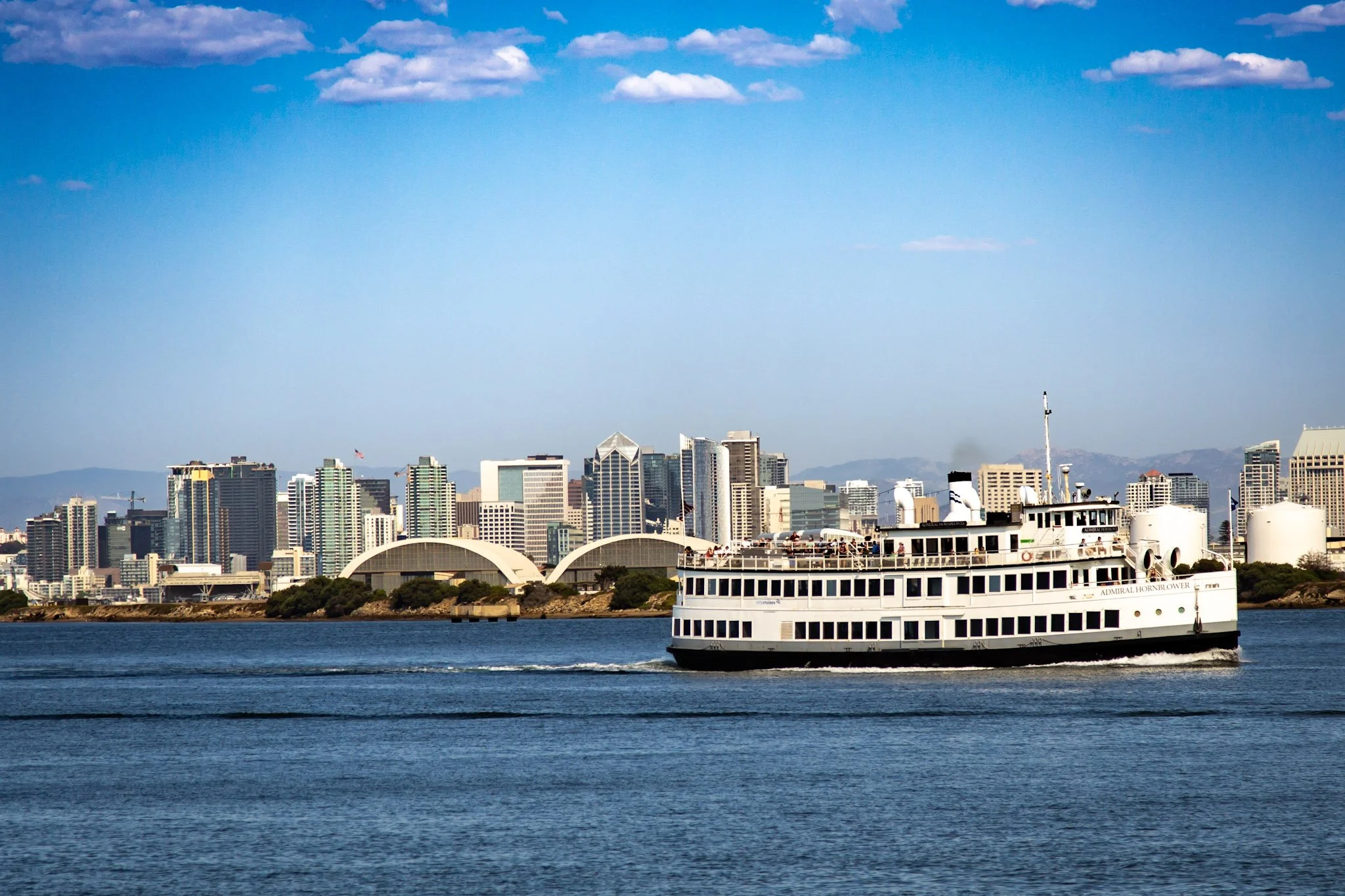
Landscape & Landmark Photography in Louisville, KY — B2The7
B2The7 captures landscape and landmark photography across Louisville, KY and the surrounding region — delivering original, location-specific imagery for brands, real estate developers, hospitality businesses, and destination-driven organizations. These aren't stock photos. They're images tied to real places, real communities, and real brand stories — and they perform better in both traditional search and AI-driven discovery as a result. Love a location shot? Many of our landscape images are available as canvas prints.
What You'll Learn in This Guide
- How landscape and landmark photography helps brands establish a strong sense of place and identity
- Where and how brands use landscape imagery across websites, campaigns, and content
- Why original, location-based imagery builds more trust than stock photography
- What types of locations and environments make the strongest visual impact
- How landmark photography supports local SEO and generative search visibility
- How to think strategically about photography as a long-term brand asset, not a one-off shoot
What Is Landscape & Landmark Photography?
Landscape & landmark photography focuses on real, recognizable environments — urban skylines, architectural features, natural landmarks, public spaces, and culturally significant locations.
Unlike generic travel or nature photos, this style is intentional and strategic. The goal isn't just beauty — it's context.
It answers questions like:
- ▸ Where is this brand rooted?
- ▸ What environment does this experience live in?
- ▸ What does this place feel like to be in?
Why Landscape & Landmark Photography Matters
It Creates Instant Geographic Context
People make faster trust decisions when they recognize a place. A skyline, street, or landmark immediately grounds your brand in a real world location.
It Builds Authenticity and Trust
Original photography signals credibility. It shows that your brand exists in the community, not just online.
It Strengthens Brand Storytelling
Places carry emotion. Whether it's pride, nostalgia, excitement, or calm — landmark imagery taps into those feelings naturally.
It Replaces Overused Stock Photography
Stock images don't reflect your city, your environment, or your audience. Custom landscape photography does.
Why Landscape & Landmark Photography Is Important for Brands
Brands aren't just selling products or services — they're selling experiences. Location plays a huge role in how those experiences are perceived.
Landscape and landmark photography helps brands:
- ✓ Show their local roots
- ✓ Support place-based marketing campaigns
- ✓ Strengthen local SEO and GEO relevance
- ✓ Create cohesive visual systems across digital and print
- ✓ Stand out in AI-driven and generative search results
How Brands Use Landscape & Landmark Photography
Website & Landing Pages
Hero images, section breaks, and background visuals that establish location and atmosphere.
Content & Editorial
Blogs, guides, newsletters, and storytelling pieces tied to place and experience.
Social & Paid Media
Scroll-stopping visuals that feel familiar and authentic to local audiences.
Sales & Pitch Materials
Decks, proposals, and presentations grounded in real environments.
Print & Environmental Design
Canvas prints, office art, signage, brochures, and experiential displays.
Landscape & Landmark Photography and SEO + GEO
This type of photography supports search visibility in ways most brands overlook.
SEO Benefits
- Reinforces location-based content
- Improves on-page engagement metrics
- Supports local keyword relevance
- Enhances image search results
GEO (Generative Engine Optimization) Benefits
- Provides original visual context for AI-driven search
- Strengthens entity and location association
- Improves content credibility in generative summaries
- Signals real-world presence to emerging search platforms
Examples of Landscape & Landmark Photography Projects
- City skylines at different times of day and seasons
- Historic buildings and architectural details
- Public spaces, parks, and waterfronts
- Urban streetscapes and neighborhoods
- Natural landmarks and regional environments
- Destination-driven hospitality and travel imagery
How B2The7 Approaches Landscape & Landmark Photography
B2The7 photography is rooted in storytelling, not just aesthetics.
Every project considers:
Every project considers:
- How the images will be used
- What the brand needs to communicate
- Who the audience is
- How the location fits into the larger narrative
The result is photography that works just as hard in marketing as it does visually.
Explore Other Photography Services
These services are designed to work together, creating a cohesive visual ecosystem for brands and individuals:
Ready to Capture the Places That Define Your Brand?
B2The7 captures landscape and landmark photography across Louisville, KY and the surrounding region. Contact Bernie to get started.
Contact Bernie to Get StartedIs Landscape & Landmark Photography Right for You? Let’s get started.
If your brand is tied to:
A city or region
A physical location or destination
A sense of place or experience
Community, history, or environment
Then landscape and landmark photography should be part of your visual foundation.
Landscape & Landmark Photography FAQs
-
Landscape photography focuses on natural or built environments as a whole—such as cityscapes, parks, or regional scenery. Landmark photography highlights specific, recognizable locations like historic buildings, iconic streets, or well-known destinations. Together, they tell a complete story of place.
-
It helps brands visually connect to their community. When people recognize familiar locations, it builds trust faster and reinforces that the brand is rooted in a real place, not just operating online.
-
Original location-based imagery strengthens on-page relevance, improves engagement, and supports local search signals. For generative search, it provides real-world context that helps AI systems associate your brand with specific places and experiences.
-
These images work best on website hero sections, landing pages, blogs, social media, paid ads, presentations, and even printed materials like signage or office art. They’re most effective when used consistently across channels.
-
Not at all. Real estate, hospitality, healthcare, professional services, and local businesses all benefit from showing the environments they operate in. Any brand tied to a physical location can use this style effectively.
-
Most brands refresh this photography every one to two years, or when locations, seasons, or branding change. Seasonal updates can also add variety and keep content feeling current without a full reshoot.