From Clicks to Conversations: Why Immersive & Personalized Experiences Are the Future of Digital Marketing

Immersive and personalized marketing is no longer experimental — it's the new baseline expectation for digital experiences. With the global virtual try-on market projected to reach $46 billion by 2030 and 56% of retailers already planning AR/VR investments, the technology infrastructure and consumer readiness have converged. In this guide, Bernie Fussenegger of B2The7 explains what immersive marketing actually looks like in practice — from AR product previews and real-time website personalization to voice search optimization and interactive content experiences — and how brands of any size can start building these capabilities without a massive tech budget.
Marketing is shifting — fast. It’s no longer just about clicks or static ads. The real wins are coming from experiences that are immersive, personal, and actually interactive. People don’t want to scroll past—they want to engage, explore, and feel like your brand sees them.
Voice search, AR try-ons, real-time personalization—this stuff isn’t experimental anymore. It’s the new baseline. The brands leaning in? They’re not just checking boxes; they’re building real connection and turning that into conversions that matter.
Today, we'll explore why this new paradigm matters, how to adopt it, and what success might look like — backed by real data and innovative strategy.
Why Immersive & Personalized Marketing Matters Now
Consumer Expectations Have Evolved
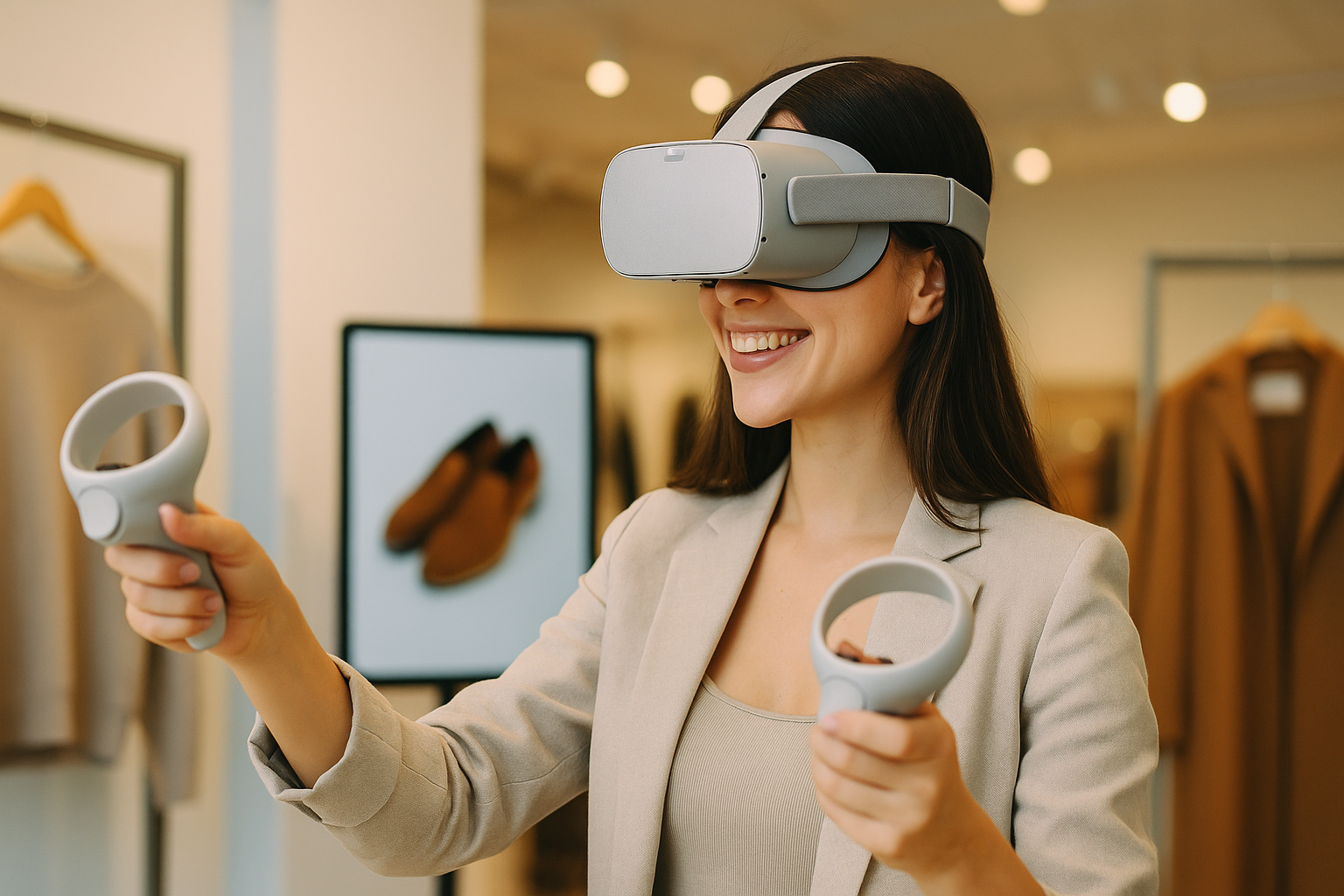
Buyers no longer accept one-size-fits-all experiences. They expect digital experiences that feel intuitive, helpful, and tailored to their needs — whether that's product suggestions based on past behavior, or visual previews of items before buying.
According to a major 2025 marketing industry report, immersive formats like AR/VR, voice/visual search optimization, and hyper-personalization are among the top trends marketers are prioritizing this year.
As online competition intensifies, generic content or static images don't cut it anymore.
Technology & Market Trends are Aligning
The tech stack that enables immersive, personalized marketing is rapidly maturing — and adoption is rising fast.
The global "virtual try-on" market was estimated at US$9.17 billion in 2023 and is projected to reach US$46.42 billion by 2030, growing at a CAGR of 26.4%.
For retail-focused AR/VR, the market in 2024 was already at US$7.84 billion, with forecasts projecting US$105.87 billion by 2033 — a CAGR of 32.4%.
A survey found that 56% of retailers plan new AR/VR investments by 2025.
Bottom line: both consumer readiness and technological infrastructure are converging. For brands, that means now is the time to act — not wait.
What Immersive & Personalized Marketing Looks Like in Practice
Voice Search & Conversational UX
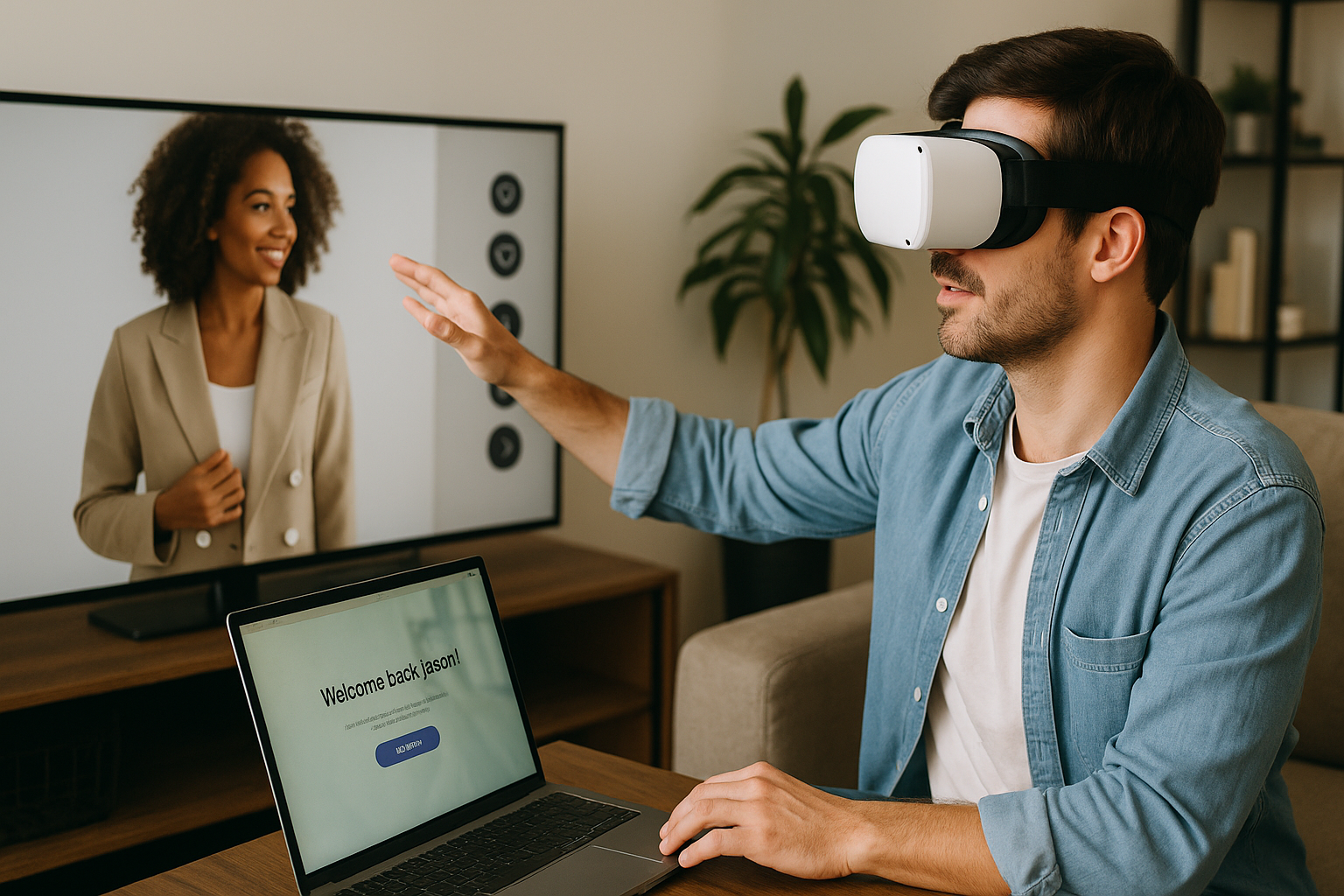
Smart speakers, voice assistants, and mobile voice search are changing how people discover brands. Brands need to think beyond typed keywords: conversational content, question-and-answer formats, and natural‑language copywriting are essential.
For example, optimizing your blog or product pages for voice-search–friendly queries ("Where can I find eco‑friendly running shoes near me? ") could help you reach audiences who aren't typing — they'rethey're speaking.
Visual Search & AR-Enabled Discovery
Visual search — uploading an image or using your phone camera to find similar products — is growing fast. Combined with AR-enabled previews (virtual try-ons, 3D product renders), this gives shoppers confidence — especially for items where look, fit, or aesthetics matter.
Retailers implementing AR/VR experiences have reported conversion rate increases of 20–30% and meaningful reductions in returns.
AR/VR Virtual Try-On & Immersive Shopping
From virtually trying on clothes, eyewear, or makeup to placing furniture in your room via AR, immersive shopping experiences are redefining what "online shopping" can be.
Many brands report up to 65% higher likelihood of purchase when customers interact with AR content.
Consumers increasingly say they'd be willing to pay more for AR‑enabled shopping experiences.
This translates into fewer product returns, higher order values, and more satisfied customers.
Hyper-Personalization & Real-Time Customization
It’s not about showing off shiny tech — it’s about relevance. Real personalization means your customer sees what matters to them, right when it matters. Maybe it’s a product they were just eyeing. Maybe it’s a landing page that speaks their language. Maybe it’s content that shifts based on how they browse.
When you pair that kind of smart customization with immersive experiences, you’re not just grabbing attention — you’re building trust, and more importantly, momentum.
Measuring What Matters: Analytics for Immersive & Personalized Experiences

Instead of basic pageviews or conversion rate, track:
Interaction depth — time spent using AR tools, exploring 360° product views
Engagement rate — clicks on immersive features, voice search usage
Conversion lift — comparison between immersive vs non-immersive sessions
Return rate — track reduction with AR/VR tools
Customer satisfaction/loyalty — repeat visits, higher AOV, CLV
Use event-based tracking, heatmaps, or advanced UX analytics.
How to Get Started — Without Overhauling Everything
Here are pragmatic first steps:
Optimize for voice & natural‑language search
Add visual/AR previews for high-consideration products
Pilot interactive content like quizzes, 360° views
Layer personalization into landing pages or recommendations
Plan analytics for immersive interaction tracking
Start small, test, and scale based on impact.
Real-World Examples & Success Stories
Retailers using AR "try-on" report 30% higher conversions, 20–30% fewer returns
Consumers using AR feel more confident, boosting satisfaction and loyalty
Brands blending personalization + immersive content create long-term engagement
🙋♀️ Frequently Asked Questions
Is immersive marketing just for big brands?
Not at all. You don’t need a massive budget to get started. Many of today’s tools — like AR previews or voice search — are built to scale. Even small teams can experiment using platforms like Shopify plugins or WebAR features. Start with one simple, meaningful experience, then build from there as you learn what works.
Does immersive mean complicated?
Not at all. Start with simple features like quizzes, interactive product demos, or a chatbot that mimics human tone. Many tools now offer no-code solutions that can be integrated without major development work.
What about data privacy concerns with AR?
Use best practices like on-device processing, limited permissions, and transparent consent policies. Many AR tools are GDPR- and CCPA-compliant and provide privacy-safe integration features.
How do I prove ROI?
Measure metrics like engagement depth, interaction-based conversions, average order value, and return rates. Benchmark against non-immersive sessions. Highlight improvements in confidence, satisfaction, or repeat purchases during reporting.
Can immersive marketing be applied in B2B?
Absolutely. B2B buyers are also consumers who crave clarity and interactivity. AR for complex product demos, personalized onboarding flows, and voice-optimized search for documentation are just a few emerging use cases in B2B environments.
What skills or roles are needed to execute this well?
You don't need to hire a whole AR team. But bringing in UX designers, content strategists, and developers familiar with voice, visual, or interactive interfaces can accelerate execution. Some brands also work with agencies that specialize in immersive content development.
The B2The7 Final
We're at an inflection point. The old model — static product pages, generic campaigns — is giving way to immersive, personalized, conversational experiences.
Whether you're a D2C brand or a B2B seller, immersive, personalized marketing isn't optional anymore. It's how you stay relevant.
Start small. Experiment. Measure. Brands that shift from "clicks" to "conversations" now will define the future of digital commerce.
📩 Get Weekly Trend Alerts in Your Inbox
Want these insights delivered straight to your inbox every week?
Sign up here to subscribe to the Trend Brief
Stay ahead of what’s moving in marketing, social, and tech.