What DTC Brands Are Aiming For: Owning the Digital Customer Journey

DTC brands are winning in 2026 by doing one thing most traditional retailers still struggle with: owning the complete customer relationship from first discovery through post-purchase loyalty. In this guide, Bernie Fussenegger of B2The7 breaks down the strategic elements that define the highest-performing DTC digital customer journeys — including how AI-driven personalization is replacing batch-and-blast marketing, how post-purchase automation is becoming the new loyalty engine, and how the brands seeing the greatest lifetime value are building feedback loops and behavioral segmentation into every stage of the customer experience.
In recent years, direct‑to‑consumer (DTC) brands have surged in popularity — and this year (2025) has been pivotal. As global e‑commerce accelerates and shoppers expect more control, convenience, and connection, DTC brands are increasingly aiming to own the entire customer journey: from first discovery to post‑purchase loyalty.
Today, DTC isn't just a distribution choice — it's a whole business strategy. Success means more than launching a website or an online ad campaign. It means mastering marketing, operations, data, and genuine customer relationships in a way that traditional retail — with its layers of intermediaries — can't match.
In this post, we'll unpack what DTC brands are prioritizing in 2026, why it matters, and how businesses (or marketers) can build their own DTC strategy with intention.
What You’ll Learn from This Article
How DTC brands are shifting toward full ownership of the digital customer journey — and why that control matters more than ever.
Why first-party data and thoughtful personalization are becoming core competitive advantages for modern brands.
The channels driving the most growth in 2025, including social commerce, influencers, and omnichannel strategies.
How operational readiness — from fulfillment to returns — can make or break a DTC brand’s reputation and retention.
Why agility, testing, and fast iteration separate the DTC brands that scale from those that stall.
The DTC Boom: Why Brands Are Betting on Direct
Before we dive into strategy, it helps to understand the broader context:
Globally, estimates place the direct‑to‑consumer (DTC) market at ~ US $583.48 billion in 2024, with projections showing explosive growth — possibly reaching ~ US $2.75 trillion by 2033, at a compound annual growth rate (CAGR) of roughly 17.3%.
In the US, DTC e‑commerce sales in 2025 are expected to hit US $239.75 billion, representing approximately 19.2% of total US retail e‑commerce sales.
Meanwhile, there are roughly 2.77 billion online shoppers globally as of 2025 — about one third of the world's population.
These numbers tell a simple story: DTC isn't a niche. It's a structural shift in how people shop, and the growth curve remains steep. For brands, that means the opportunity to build relationships, own customer data, and scale fast — without the friction or markup of traditional retail intermediaries.
What DTC Brands Are Aiming For in 2026 & Beyond
Full Control Over the Customer Journey & Brand Experience
One of the biggest appeals of a DTC model is the control it offers. By bypassing wholesalers, distributors, or third‑party retailers, brands can own every touchpoint: from first impression (social post or ad) to discovery (website or app) to purchase, fulfillment, and post‑purchase service.
This control matters for many reasons:
It ensures brand consistency — messaging, tone, pricing, packaging — every element stays under the brand's control.
It enables a smooth, end-to-end user experience: when the brand owns fulfillment, shipping, returns, and customer service, it can optimize for speed, reliability, and customer satisfaction.
It enables direct relationship-building: instead of being one vendor among many in a big-box store, the brand becomes the customer's main interface. That deepens loyalty and creates long-term value.
In short: DTC gives brands a way to build intimacy, trust, and a distinct identity — not just move volume.
First‑Party Data: Personalization & Customer Intelligence as a Competitive Edge
In a landscape where third‑party cookies are fading, DTC brands' ability to collect first‑party data is more valuable than ever. Because they're selling directly to consumers, DTC brands can capture data on behavior — browsing, buying, engagement — and use it to personalize the experience:
Customized product recommendations
Tailored email or SMS flows based on past purchases or interests
UX personalization (layout, offers, product suggestions)
Lifecycle marketing: welcome sequences, re‑engagement, loyalty offers
According to recent DTC‑marketing research, 89% of marketers say AI is essential for acquiring new customers, and 86% say it's critical for retention. Meanwhile, 69% of consumers are satisfied with AI-driven product recommendations.
Still — there's a gap. While 79% of marketers say they're using AI to personalize content, only 25% of consumers say they want shopping to feel more "personalized." And only 29% of consumers think brands provide enough value for asking for personal data.
Lesson for DTC brands: personalization works — but only when it's thoughtful, transparent, and genuinely helpful. Data should enable a better experience, not creepiness or spammy outreach.
Omnichannel & Social‑First Marketing: Where Shoppers Actually Are

DTC brands in 2026 will increasingly embrace multichannel and social‑driven strategies. According to industry data, DTC marketers expect social commerce (53%), influencers (47%), and streaming / digital media (35%) to be top-conversion channels in 2026.
Some of the most significant ongoing trends:
Social commerce going mainstream — Social platforms are not just for inspiration anymore: they're active storefronts. Brands with strong social presence can convert directly from posts or ads.
Influencer-led growth — Many modern DTC brands are built on creator traction, trusted voices, and cultural relevance. Influencer partnerships remain a core acquisition lever.
Multichannel presence and flexibility — While DTC began essentially as a digitally native channel, many brands recognize the value of a hybrid presence — combining e‑commerce, retail media, maybe selective physical stores, pop-ups, or omnichannel distribution.
For marketers: this means your digital strategy must think beyond a single channel. The power often lies in connecting multiple touchpoints — social, web, email, mobile, and (if relevant) offline — into one cohesive experience.
Operational Readiness: Fulfillment, Logistics, Returns & Customer Experience
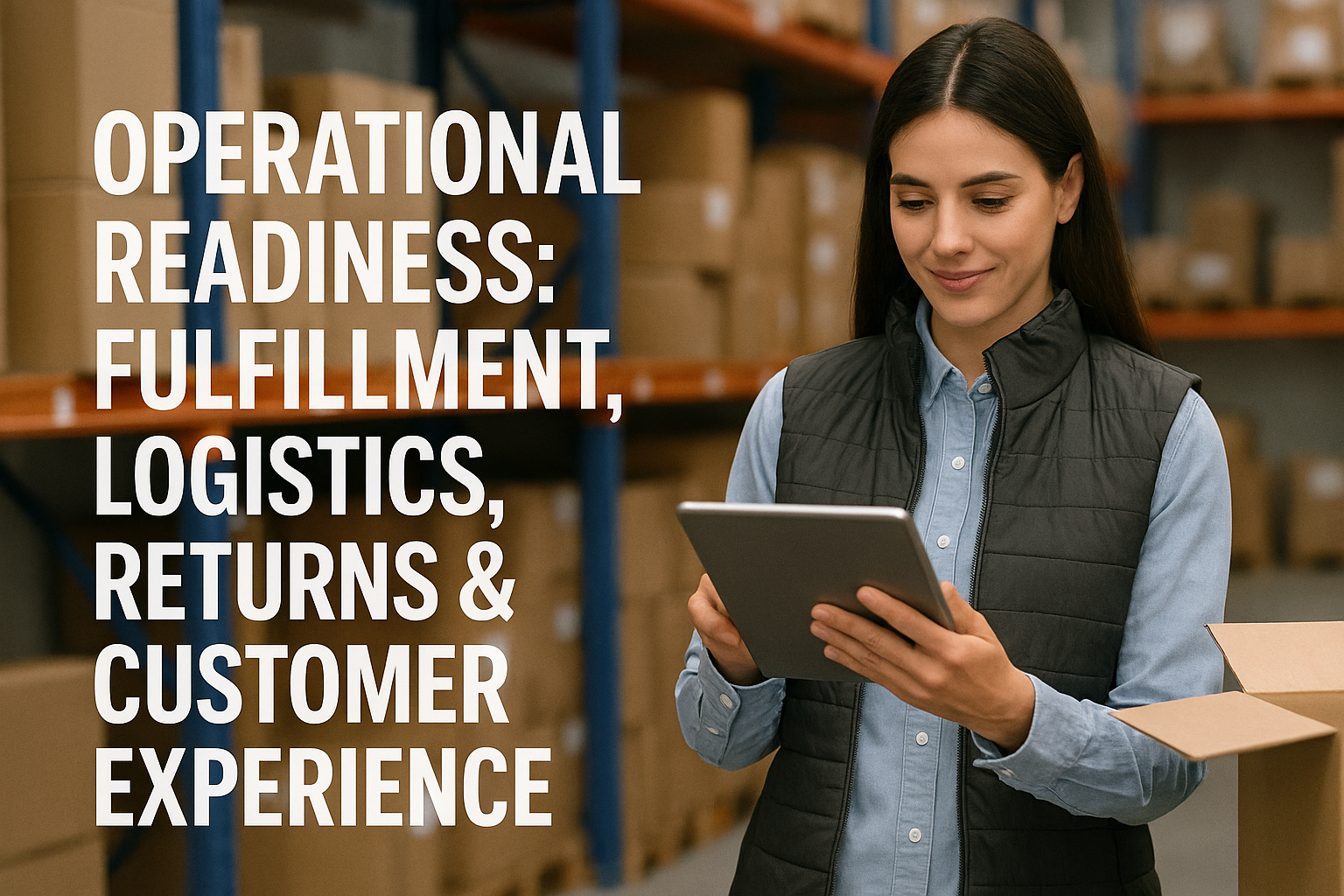
Selling direct gives brands control — but with power comes responsibility. DTC success often depends as much on operations as on branding or marketing. In fact, many successful DTC companies treat fulfillment, logistics, shipping speed, returns, and CX as core components of their brand identity and differentiation.
Recent industry data shows the behind-the-scenes infrastructure for DTC is also growing: the DTC logistics market alone is projected to grow significantly over the next decade.
Why operations matter:
Fast, reliable shipping and simple returns build trust — especially when customers aren't walking into a store, but ordering sight unseen.
Smooth UX and post-purchase support influence repeat purchases. In a world where consumers can shop anywhere, a bad delivery or cumbersome returns can kill loyalty fast.
Operational excellence can become a competitive advantage: if your fulfillment is faster, your tracking is more precise, your packaging is better — those details add up.
For DTC brands, running lean doesn't just mean tight marketing budgets — it means tight, well-optimized operations.
Agility, Experimentation & Iterative Strategy

One of the most significant advantages DTC brands have over traditional retail models is agility. Without legacy supply chains, long retail lead-times, or heavy physical infrastructure, DTC brands can test faster, iterate, and adapt.
Some examples of what that looks like:
Frequent A/B testing on offers, landing pages, pricing, bundling, creatives, and email copy — optimizing conversion rates.
Rapid product launches or drops, responding to changing consumer preferences or seasonal trends. Many fast-growing DTC brands are riding virality cycles, limited drops, and influencer demand.
Flexible marketing budgets — as competition rises, many DTC players are increasing marketing spending (69% of DTC companies said so in 2025) and planning deeper discounts/promotions (76%) to stay competitive.
That agility enables DTC brands to respond quickly to market shifts, consumer behavior, economic pressure, or competitive threats. It also supports experimentation: sometimes you win, sometimes you learn — but small bets limit risk.
The Challenges: What Could Go Wrong (or Already Is)

The DTC model isn't a magic bullet. As many brands have discovered, owning the customer journey means carrying all the risk. Some of the significant challenges:
Rising customer acquisition costs (CAC) — Social media ads are more expensive than ever; competition is fierce; user acquisition isn't cheap.
Margin pressure from discounts and spend increases — With 76% of DTC companies planning deeper discounts and many increasing marketing budgets, margins can shrink quickly.
Operational complexity at scale — As order volume rises, logistics, shipping, returns, supply chain issues, and customer service demands grow too. Small teams and lean operations can get stretched thin.
Customer data and privacy concerns — While first-party data is valuable, many consumers are wary of data collection. According to recent research, only 29% of consumers feel brands offer enough value for their data.
Retention fatigue — Maintaining loyalty over time is hard. According to recent data, consumers are part of an average of 16.6 loyalty programs — but only about 55% of those are active.
In short, the DTC path is high-potential but also high-responsibility. Brands must balance growth, operations, and customer trust to succeed sustainably.
What Makes a Winning DTC Strategy
So, with a significant opportunity comes an enormous responsibility. Based on what we see working today, here are the key pillars of a winning DTC strategy:
Own and control the entire customer journey — From discovery to loyalty, aim to control touchpoints, user experience, fulfillment, and support.
Use first‑party data thoughtfully and transparently — Let data guide personalization, but keep it respectful, value‑driven, and privacy-conscious.
Embrace omnichannel and social-first marketing — Mix social commerce, influencer, content, email, web, and maybe even hybrid offline — wherever your customers are.
Invest in operational excellence — Logistics, shipping, returns, fulfillment — deliver not just products, but smooth experiences.
Stay agile: test, iterate, and adapt quickly — market conditions, competition, and consumer preferences change quickly. DTC wins go to those who experiment often and adjust faster.
Focus on retention and long-term customer value, not just acquisition — Use loyalty programs, subscriptions, repeat offers, excellent support — treat customers as long-term partners.
If you build around these pillars — and stay honest, transparent, and customer-first — you position your brand not just for short-term spikes, but sustainable growth and real brand equity.
🙋♀️ Frequently Asked Questions
Q: What does "direct-to-consumer (DTC)" really mean?
A: "Direct-to-consumer" refers to a business model where brands sell directly to the end customer — bypassing traditional retailers, distributors, or wholesalers. That means the brand controls everything: customer acquisition, sales, fulfillment, returns, and customer data.
Q: How big is the DTC market today?
A: As of 2024, the global DTC market was estimated at around US$583.48 billion, with forecasts projecting it could reach ~US$2.75 trillion by 2033. In the US alone, DTC e‑commerce sales in 2025 are expected to reach about US$239.75 billion, around 19.2% of total retail e‑commerce sales.
Q: Why is first‑party data so crucial for DTC brands?
A: First-party data lets DTC brands understand real customer behavior — browsing habits, purchases, preferences — and use that insight to personalize experiences, recommend products, send targeted offers, and build loyalty. With third-party cookies disappearing, first-party data is often the most reliable, privacy-compliant way to power long-term marketing and user experience.
Q: What marketing channels work best for DTC?
A: According to recent data, social commerce, influencer marketing, and digital media (including streaming) are among the most effective channels. Many DTC brands use a mix of social-first acquisition, content marketing, direct email/CRM, and social proof and community.
Q: What are some mistakes DTC brands often run into?
A: A few things trip up a lot of DTC brands. One is underestimating how complicated operations can get — things like managing inventory, shipping quickly, or handling returns efficiently. Another is forgetting that the customer experience doesn’t stop at checkout; if post-purchase support or fulfillment feels clunky, people won’t come back. Some brands also lean too hard on discounts to drive sales, which eats into margins fast. And of course, with data, it’s easy to overstep — collecting too much or using it in ways that make customers uneasy.
Q: Is direct-to-consumer the right fit for every brand?
A: Honestly, no. DTC can be a great model, but it works best for brands that want tight control over their customer experience, have a clear story to tell, and are ready to invest in both marketing and back-end logistics. If your product is more of a commodity, your margins are razor thin, or you’re not ready to handle fulfillment, support, and retention yourself — DTC might end up being more of a drain than a growth engine.
The B2The7 Final
The DTC model continues to evolve — but one thing remains clear: DTC is no longer just a lean distribution alternative or a cheaper way to reach customers. It's a complete business model grounded in control, data, user experience, and long-term relationships.
For brands willing to commit — to marketing AND operations, to data AND humanity, to speed AND consistency — DTC offers a path to build deeper connections, own their narrative, and scale with purpose.
But for those chasing quick growth without structure or care for customer experience, the risks are real: rising costs, operational breakdowns, data trust issues, and retention challenges.
The brands that win in the years ahead will be those that treat DTC not as a shortcut — but as a responsibility.
📩 Get Weekly Trend Alerts in Your Inbox
Want these insights delivered straight to your inbox every week?
Sign up here to subscribe to the Trend Brief
Stay ahead of what’s moving in marketing, social, and tech.