Louisville Product Photographer: Cost, Prep & Process
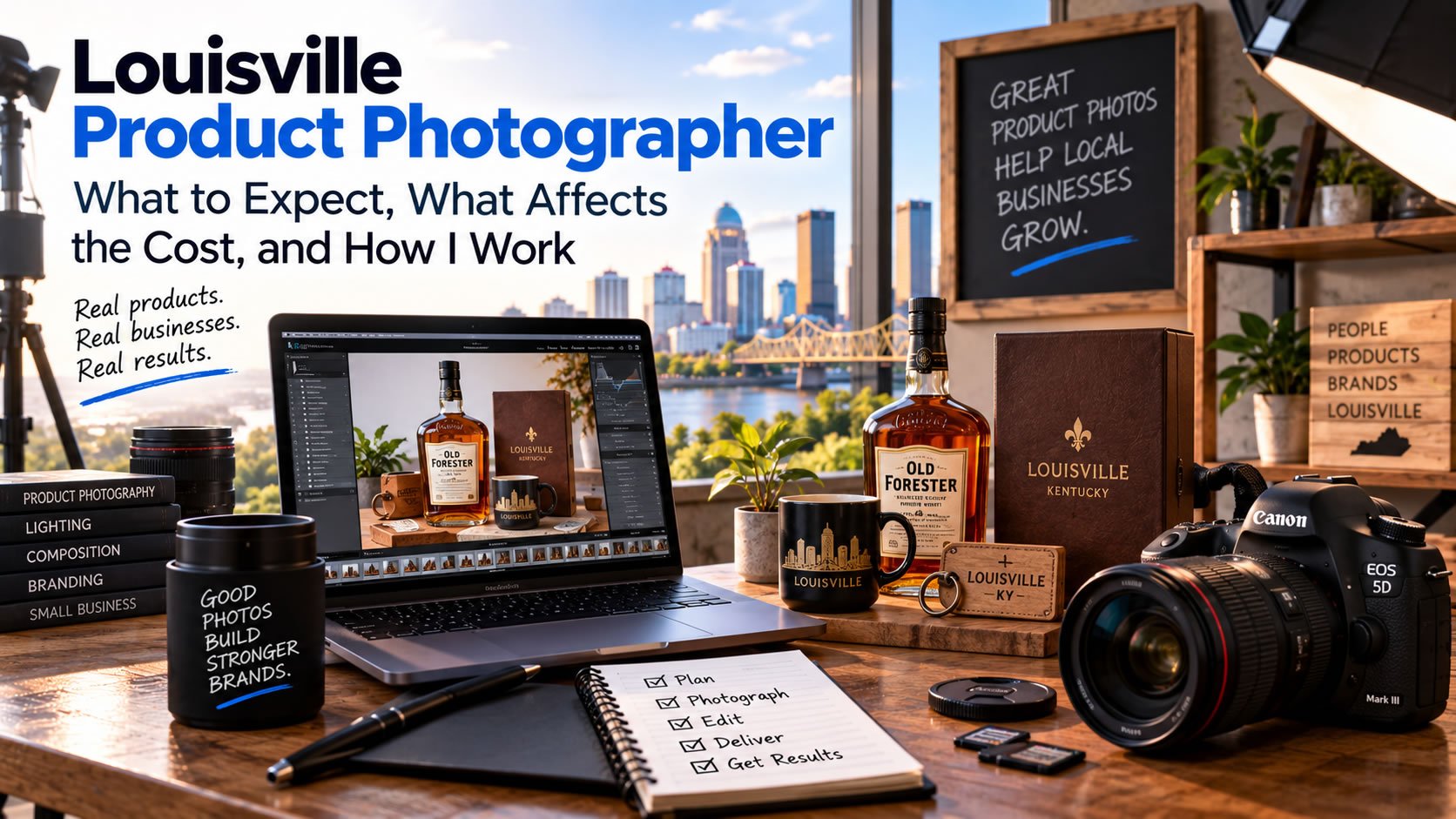
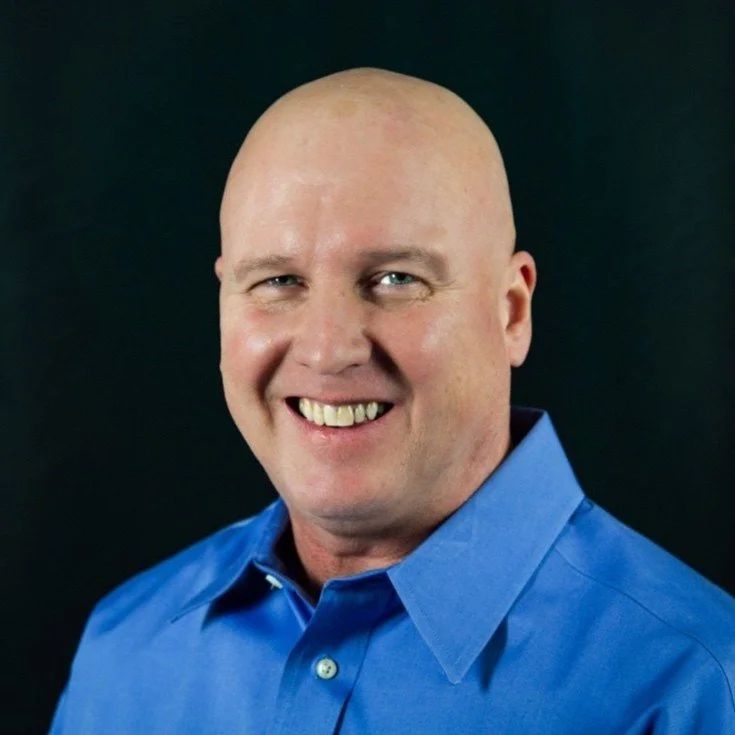
Bernie Fussenegger is a Louisville product photographer and digital marketing strategist who runs B2The7 in Louisville, Kentucky. B2The7 shoots clean studio images, lifestyle images and detail shots for ecommerce brands, local businesses and marketers. Every shoot is planned around where the images will be used, including websites, online stores, Google Shopping, email, ads, print and AI search results.
The Short Answer
A Louisville product photographer takes clean, consistent images of your products for your website, online store, ads and print. The cost depends on how many products you have, how they're styled, how much editing each image needs and where the images will be used. I'm a Louisville photographer and a digital marketer, so I plan every shoot around where the photos will live and what they have to do there.
What You Will Learn
What a product photographer actually delivers
What changes the price, and why a flat number sight unseen worries me
How to get your products ready before a shoot
Why I think about search and AI results before I pick up the camera
Questions to ask any photographer before you hire them
What a Product Photographer Actually Does
Sounds obvious. A product photographer photographs products. But the useful part isn't the click of the shutter. It's making a whole set of images look like they came from one place. Same light, same angle, same color, whether it's ten products or two hundred. That consistency is what makes a store look real.
Most shoots land in a few buckets. Sometimes all three.

Clean
Clean images on a plain background for a website or marketplace.

Lifestyle
Lifestyle images that show the product in use.
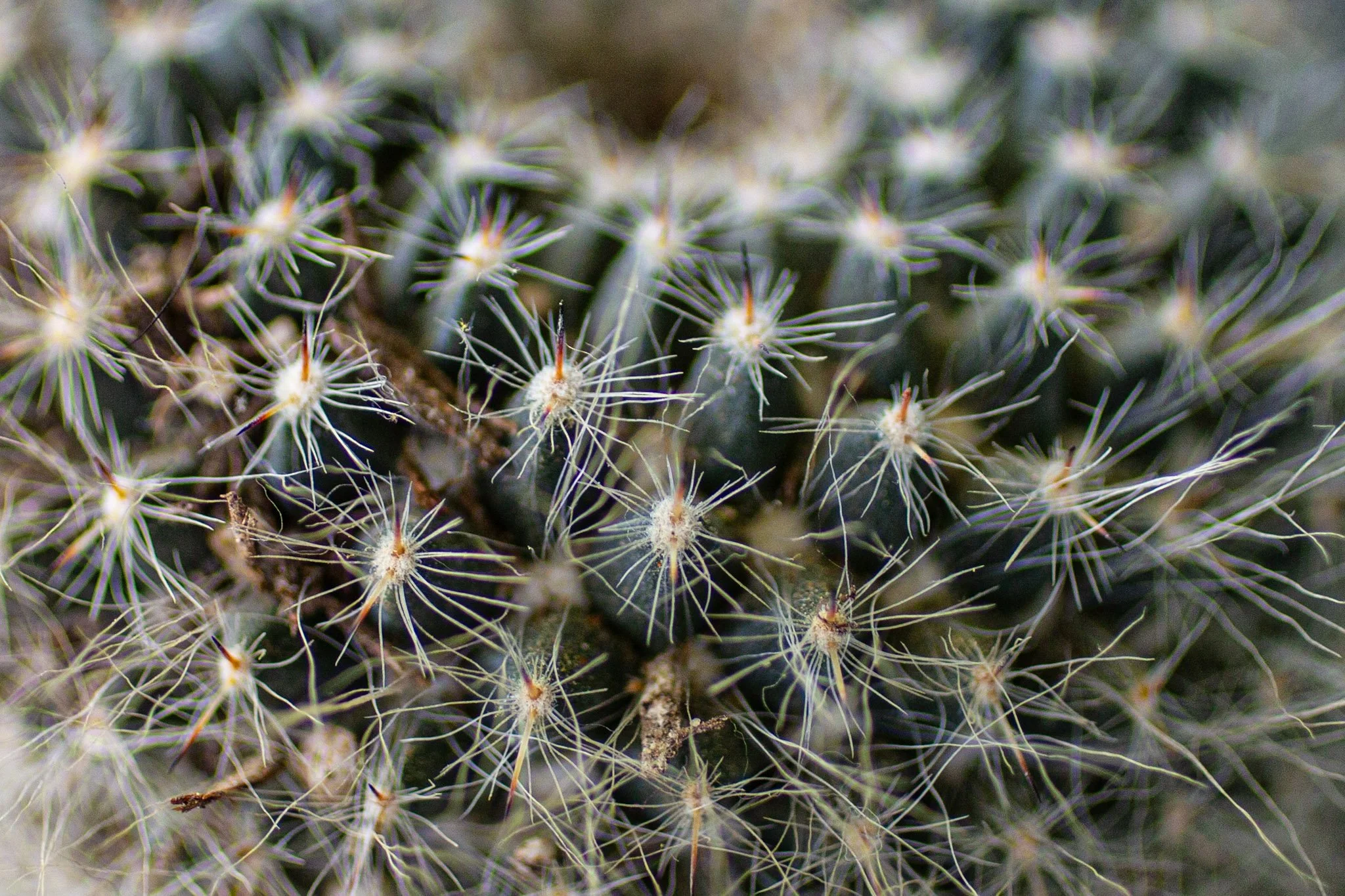
Detail
Detail shots for texture and materials.
I explain the differences in my product photography guide, and my commercial photography page shows the broader work I do for businesses.
Why I Think Like a Marketer Before I Think Like a Photographer
This is my real difference. I'm not only a photographer. I work in digital marketing too, and a lot of photographers never see what happens to their images after delivery. Somebody uploads them, they get compressed, they show up on a phone at the size of a playing card, and half the detail vanishes.
So before a shoot I want to know where the pictures will live.
Each one wants something different. A phone screen forgives nothing, so I think about how an image reads small. And more of your customers now meet your products inside search results and AI answers, which do better with clear, well-labeled images. That's part of why I keep content development and photography under the same roof.
What Changes the Price
I'm not going to throw out a number here, and I'll tell you why. A number without seeing your products is a guess. A flat package that ignores what you're selling either overcharges you for simple items or underdelivers on tricky ones.
What actually moves the cost:
- How many products, and how many angles of each
- The background: plain white, a color, or a styled scene
- Product type. Glass, jewelry and anything shiny take longer than a bag of coffee
- How much retouching each image needs
- Where the images will be used and for how long (usage rights)
- Whether I shoot at your location or the products come to me
Anybody who quotes without asking about those things is either guessing or padding. If you want a real number, contact me with a rough product count and a few phone photos.
How to Get Your Products Ready
Small stuff makes a big difference.
- Clean everything. Fingerprints, dust and lint show up on camera in ways you'd never notice standing there.
- Steam or replace anything wrinkled.
- Gather every color and size ahead of time so nobody scrambles mid-shoot.
- And send me a short list of your top sellers, because those deserve the most attention.
Then decide what you want the pictures to say. Premium? Friendly? Practical?
Same bottle, three different businesses.
A product can look like three different businesses depending on the light, and it's a lot easier to pick before the shoot than after.
Photography for Louisville Businesses

Louisville has a lot of makers.
Bourbon-adjacent brands, food producers, boutiques, craft goods, and plenty of service businesses that sell a few products on the side. I like working with this crowd because a good set of images can change how a small brand looks sitting next to the big ones.
I know the city, which helps when a shoot is about a Louisville identity. My Louisville canvas prints and my wider photography work come from shooting this place. If you need portraits for your team or leadership, my corporate photography page covers that, and business, personal and commissioned photography explains custom projects.
How I Plan a Shoot
- TalkA short conversation, not a booking form
- Shot listAgreed together before the day
- ShootConsistent light, checked as I go
- Edit and deliverTrue color, files sized for each use
It starts with a short conversation, not a booking form. I want to know what you sell, who buys it, where the images will run and what the competition's photos look like. Then you and I agree on a shot list, so nobody is guessing on the day.
On the shoot, I keep lighting and angles consistent across the whole set, and I check images as I go instead of hoping for the best. After that comes editing, where I match color and clean up dust and blemishes without making the product look like something it isn't. That last part matters.
If a customer opens the box and the color is off, you've created a return, and no photo is worth that.
Then I deliver files sized for the places you'll use them. A store image, an email image and a social image don't need to be the same file. Small detail. It saves you a lot of resizing later.
Product Photo Mistakes That Cost Sales
A few things show up over and over, and most of them are fixable.
None of it needs fancy gear. It needs someone paying attention to how the image will be seen. If you're doing your own photography for now, my photography gear tips might help you get further than you'd expect.
Photos That Help You Get Found
A good image on a page with no context does very little.
File names, alt text and the right product details around the image help search engines and AI tools understand what they're looking at. It isn't complicated, but it's the piece that gets skipped every time.
If you'd like help with the bigger picture, my digital marketing services tie the visuals to the rest of your visibility work. And what AI search knows about your business explains why clear, specific information matters so much now. For the local side of that, see what Louisville businesses need to fix for AI search.
What I'd Ask Any Photographer Before Hiring Them
- Can I see product work that looks like mine?
- What files do I get, and what am I allowed to do with them?
- Who does the editing, and how many rounds of changes are included?
- What happens if a shot doesn't work?
- Do you know where these images will be published?
That last question separates the photographers I'd hire from the ones I wouldn't. If they haven't asked, they're thinking about the shoot, not your business.
Frequently Asked Questions
It depends on product count, styling, retouching and usage rights. I don't quote a number before seeing the products, because that number would be a guess. Send a product count and a few phone photos and I'll give you a real answer.
Usually a main image on a clean background, a couple of extra angles, a detail shot, and sometimes one lifestyle image. Fewer for simple items, more for anything customers want to inspect closely.
Marketplaces and product grids like clean backgrounds. Your own website, ads and social posts usually work harder with lifestyle images that show scale and use. Most businesses end up wanting both.
That depends on the usage rights you agree to, so ask before you book. Get it in writing, including where, for how long and in what formats. Surprises here are expensive.
Clean every product, gather all colors and sizes, decide the feeling you want, and know where the images will be used. A little prep saves a lot of studio time.
Planning a Product Shoot in Louisville?
Send a rough product count and a few phone photos. I'll tell you what the shoot needs and give you a real number, not a guess.
Contact Bernie See Product PhotographyThe Bottom Line
Hiring a Louisville product photographer shouldn't feel like guessing. Know how many products you have, where the images will live and what you want them to say, and ask about usage rights before you book. Do those things and you'll get photos that work harder than the ones your competitors are running.
I approach every shoot as a photographer who also has to answer for the marketing results. If you're ready to talk, contact me or see more of my photography.
Bernie Fussenegger is a Louisville-based photographer and digital marketing strategist. He built marketing programs for brands including Papa John's and Confluent Health, and now runs B2The7, where he plans product, commercial and corporate photography around how the images will be used. See more at b2the7.com/photography.