The Marketing Pulse of 2026 – What’s Next for Brands That Want to Stay Ahead
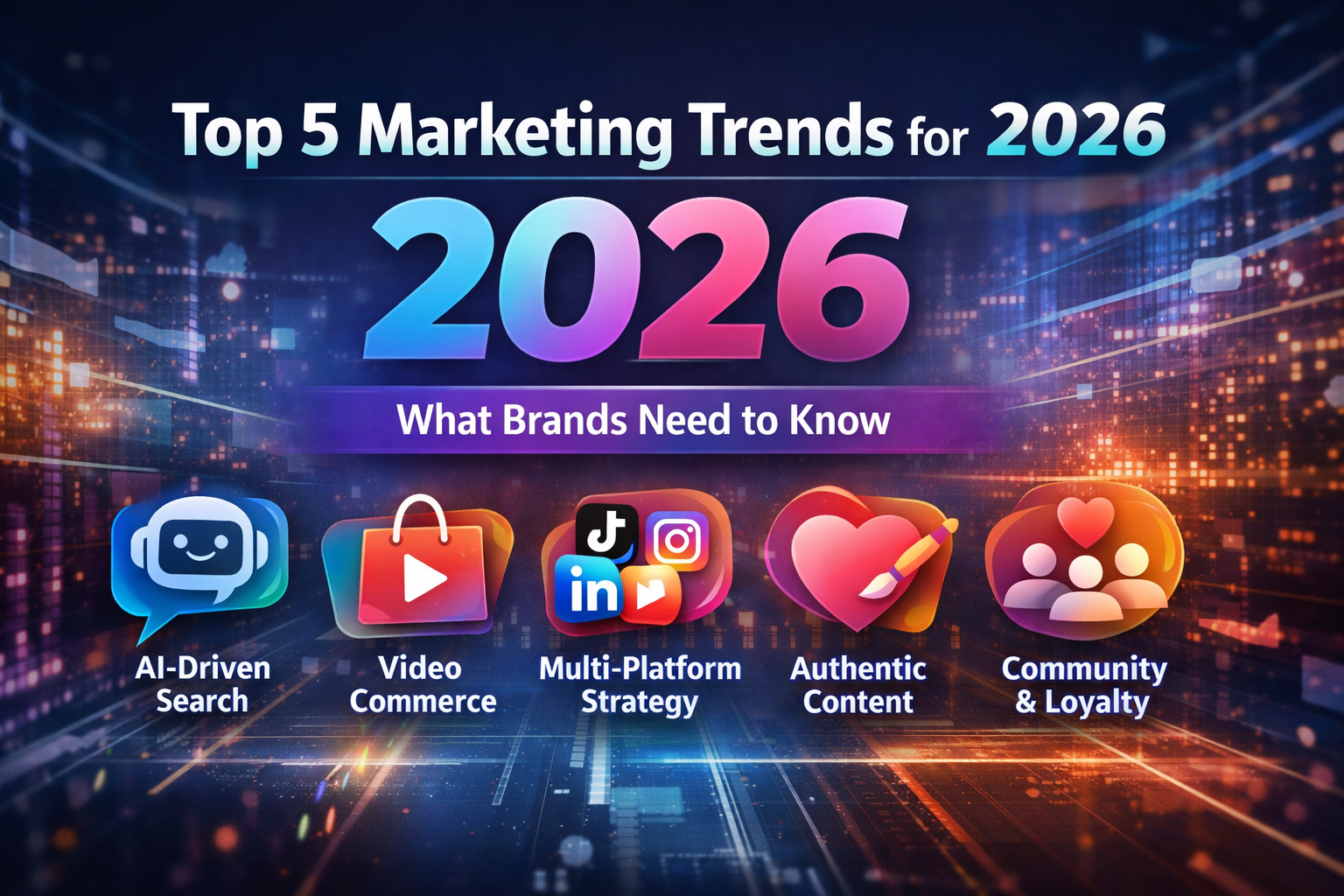
2026 is not a year for incremental marketing improvements — it's a year for strategic realignment. In this guide, Bernie Fussenegger of B2The7 identifies the five biggest shifts brands can't afford to ignore: AI-first search experiences are redefining what SEO and content strategy mean; shoppable video and social commerce are turning entertainment into direct revenue channels; multi-platform storytelling and social SEO are becoming the top-of-funnel standard; creative content is being judged on emotional and cultural relevance rather than production quality; and community-driven growth is replacing traditional loyalty models as the primary retention engine. Each trend includes the data behind it and specific actions to take now.
If you thought marketing was evolving fast, 2026 is here to prove it’s just getting started. From AI-driven conversations replacing traditional search to video becoming the storefront and community loyalty outpacing paid reach—this year is reshaping how brands connect, convert, and grow.
Whether you're a CMO steering digital transformation or a strategist mapping out your next campaign, understanding what’s trending isn’t enough. You need to know why it matters, where it's going, and how to act on it—now. This blog breaks down the five biggest digital, social, and marketing shifts brands can’t afford to ignore in 2026, backed by current data, platform changes, and strategic implications.
What You'll Learn from This Week’s Trends:
The rise of AI-first search experiences and how to future-proof your SEO & content strategy
How shoppable video and social commerce are redefining the buyer journey
Why multi-platform storytelling and social SEO matter more than ever
The new rules of creative content in an era demanding emotional, cultural, and sensory relevance
How community-driven growth is replacing old loyalty models (and what tools to use)
Let’s dig in!
Trend 1: Conversational & AI‑Driven Search
🔗 Source:Search Engine Journal
Summary: Search is evolving from keyword queries into conversational experiences powered by AI (e.g., AI Overviews and generative search). Brands must optimize for conversational queries, context, and visibility across search, social, and voice interfaces rather than traditional SEO alone.
Key Takeaway: Traditional keyword SEO is no longer enough. Google’s SGE and AI Overviews are prioritizing contextual, intent-based responses. Marketers must optimize for topic authority, conversational phrasing, and multi-format content (text + video + audio).
Trend 2: Video‑Commerce & Social Commerce
🔗 Source:Search Engine Journal
Summary: Short‑form video and livestream shopping aren’t just engagement tools — they’re becoming transactional platforms where viewers can browse and buy in one experience. This trend blurs the line between entertainment and commerce.
Key Takeaway: Short-form and livestream videos are becoming direct sales channels. Brands that embed shopping features within TikTok, Instagram, and YouTube content can significantly reduce friction and drive impulse purchases within the same scroll.
Trend 3: Multi‑Platform Engagement & Social SEO
🔗 Source:Social Media Today
Summary: Audiences now use multiple platforms daily, so brands must create consistent and adaptive narratives across channels. Social SEO is rising as a top‑of‑funnel strategy, while real‑time community engagement and social customer care are key to reputation and conversion.
Key Takeaway: Search behavior is happening on social platforms now. To stay relevant, brands need consistent messaging across TikTok, LinkedIn, Reddit, and Instagram, while optimizing bios, captions, and content for discoverability within platform-specific search engines.
Trend 4: Human‑Centric Creativity & Authentic Storytelling
🔗 Source:Adobe Blog
Summary: Creative trends prioritize human connection, sensory engagement, cultural relevance, and playfulness (“All the Feels,” “Local Flavor,” etc.). As audiences tire of automated content and algorithm fatigue, standout brands will focus on creativity, emotional resonance, and authentic storytelling.
Key Takeaway: Audiences crave content that feels real, not robotic. Brand creatives must lean into emotional design, cultural nuance, and sensory storytelling—especially when competing with AI-generated, lookalike content.
Trend 5: Community‑Led Growth & Loyalty 3.0
🔗 Source:Smart Insights'
Summary: Brands are shifting from audience acquisition to community‑driven growth. This means investing in private communities, direct engagement channels (like Discord, Slack, branded apps), and loyalty‑based strategies that foster advocacy and long‑term retention.
Key Takeaway: Customer acquisition costs are rising. Building owned communities on Discord, Slack, or niche networks allows brands to create deeper engagement loops, drive organic referrals, and deliver exclusive value that fosters long-term loyalty.
🙋♀️ Frequently Asked Questions (FAQ)
1. How should I optimize content for AI search in 2026?
Focus on topic clusters, natural Q&A formats, and multi-format content. Tools like ChatGPT, Perplexity, and Google SGE reward relevance and clarity over keyword stuffing.
2. Is livestream shopping relevant for B2B brands?
Yes. Product demos, behind-the-scenes tours, and Q&A sessions can boost transparency and shorten sales cycles, especially in SaaS and tech verticals.
3. What’s the best way to manage multi-platform engagement?
Use unified content calendars, repurpose core assets creatively, and leverage social listening tools (e.g., Sprout Social, Brandwatch) for feedback loops.
4. How do I make my brand more “human” without losing professionalism?
Use brand storytelling, behind-the-scenes content, and authentic team voices. Don't shy away from showing personality or vulnerability in the right context.
5. What platforms are best for community-building?
Depends on your audience. B2B communities thrive on LinkedIn Groups, Slack, or branded knowledge hubs. B2C brands find success on Discord and private Facebook Groups.
B2The7 Final
The digital marketing landscape in 2026 is not just shifting—it’s fragmenting, automating, and humanizing all at once. Winning brands won’t be the loudest or the largest—they’ll be the ones who listen better, adapt faster, and create more meaningfully.
Now is the time to audit your strategies against these five trends, reallocate resources to what’s working now, and build the systems that make your brand future-proof.
📩 Get Weekly Trend Alerts in Your Inbox
Want these insights delivered straight to your inbox every week?
Sign up here to subscribe to the Trend Brief
Stay ahead of what’s moving in marketing, social, and tech.