Organic Social Isn't Working Like It Used To. Here's What's Actually Going On
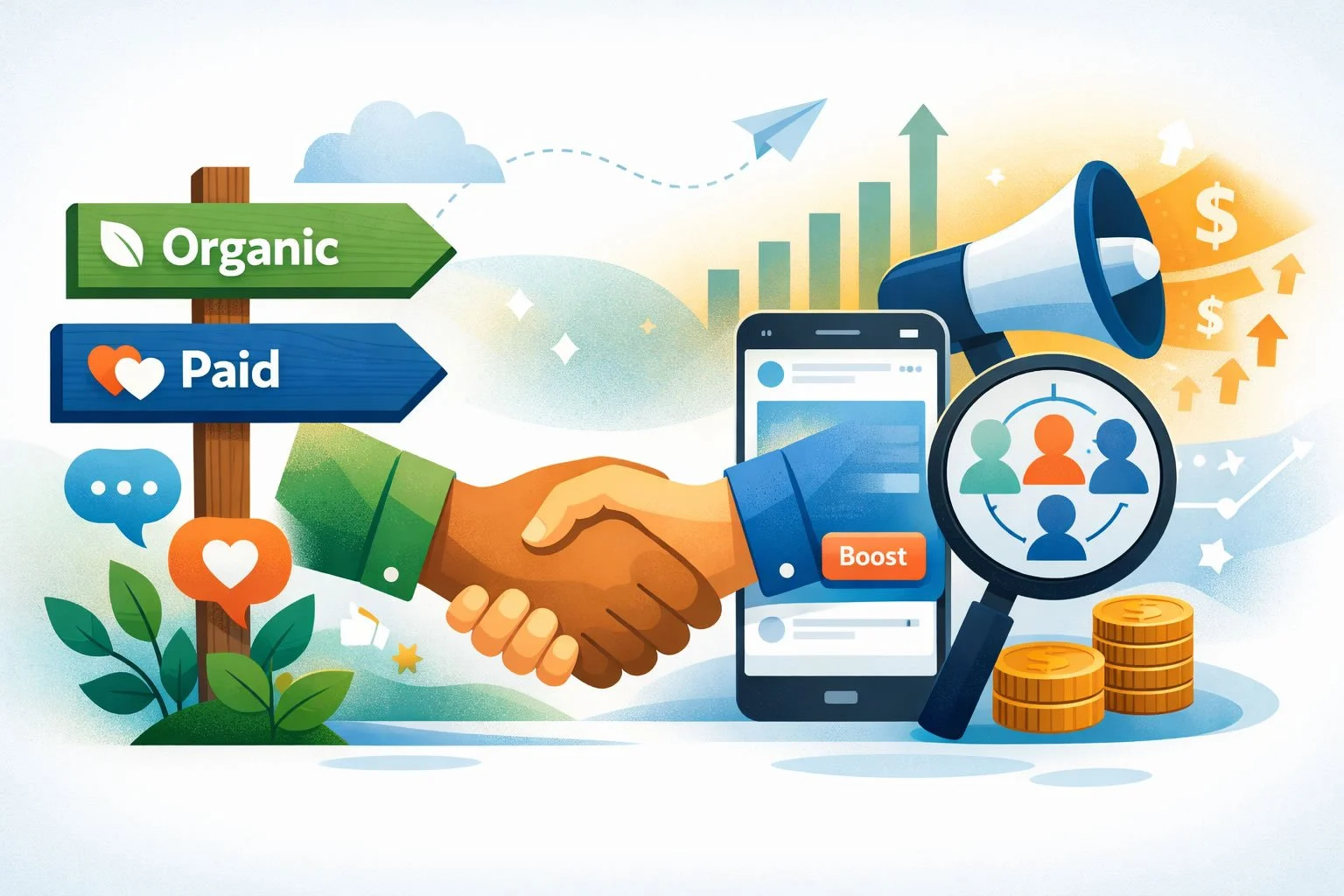
Organic social media reach has been declining for years — and in 2026, the gap between posting and actually reaching your audience has never been wider. If your organic social strategy isn't driving results, it's not because the platforms don't work. It's because the rules changed and most brands are still playing by the old ones. In this post, Bernie Fussenegger of B2The7 explains why organic social feels broken, what the algorithm shifts on Instagram, TikTok, LinkedIn, and Facebook are actually rewarding, and the specific content and distribution pivots that restore visibility and engagement without a paid media budget.
Below, I get into what is really driving the drop in organic reach, what the data is telling us, and why most brands need to change how they approach social moving forward.
What You’ll Learn from This Article
Why organic social reach is declining across Instagram, TikTok, and other platforms
What algorithm changes mean for brand visibility and consistency
How Google Search and Reddit reveal real marketer frustration
Why organic social alone is no longer a complete strategy
Practical ways to rebuild momentum with audience-first content and smarter distribution
Organic Social Feels Broken Because the Platforms Changed
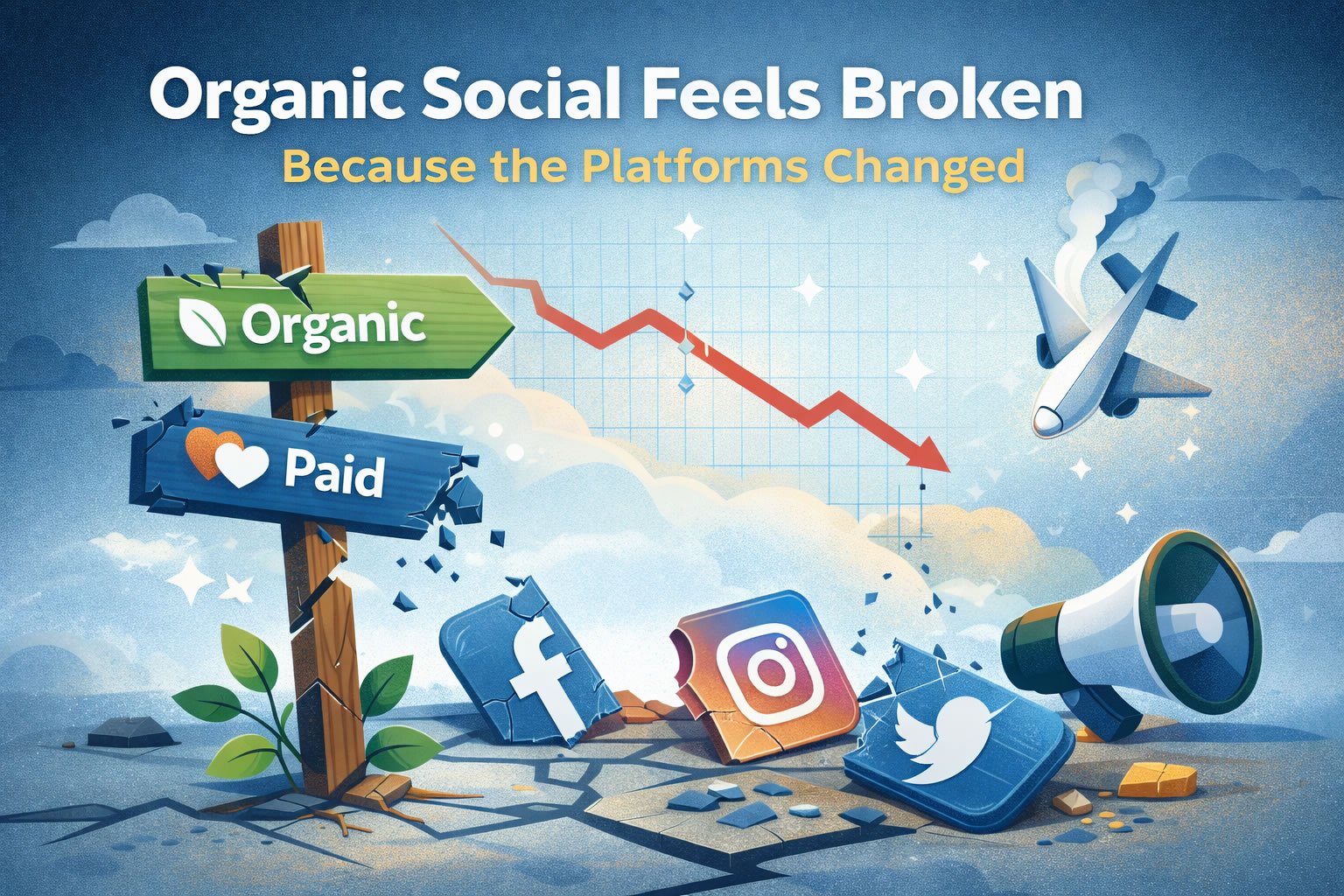
Organic reach is clearly down. You can see it in the numbers, and most brands feel it in their reporting. For many Instagram accounts, only a small portion of followers ever see a post now, often somewhere in the single digits.
Most benchmarks put average organic reach for brand accounts in the 5 to 10 percent range, and it tends to drop further as accounts get larger. A few years ago, that same reach was much closer to 20 percent, which made organic social easier to plan around.
Those swings wear people down. Brands keep posting and checking numbers, trying to make sense of why one week feels normal and the next feels off. Nothing obvious has changed, but performance does. At that point, planning starts to slip because there is no steady baseline to work from.
This did not just happen on its own.
Over time, it became clear what actually drives growth on these platforms. Paid campaigns get attention. Organic posts still matter, but they do not move on their own the way they used to. They act more like a signal, showing what might deserve extra support, rather than something that automatically earns distribution.
Algorithm Changes Are Silent and Constant
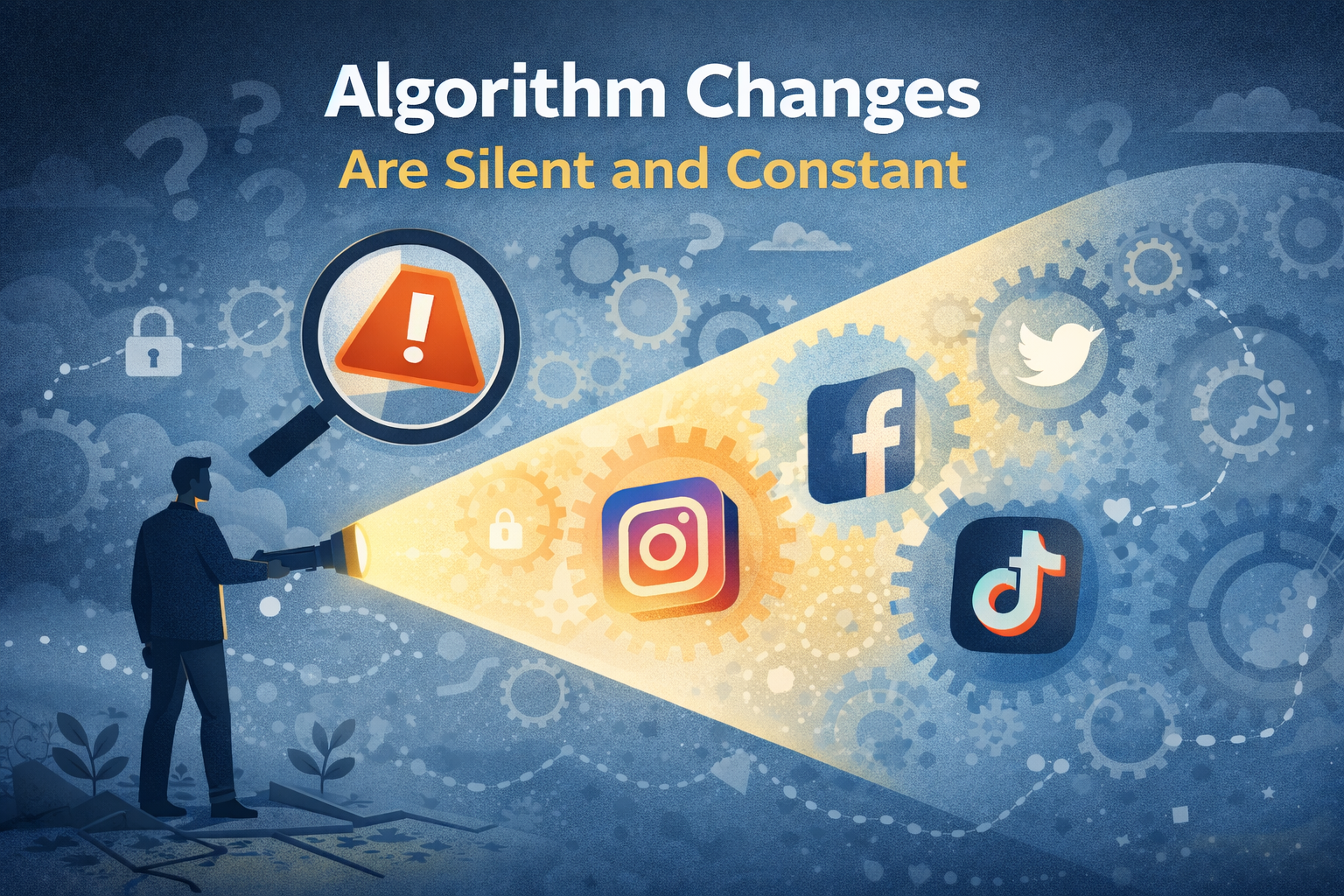
One of the more complex parts for brand marketers right now is how quietly things change. Algorithms shift without much notice. There are no real announcements or clear instructions, just a slow realization that reach looks different than it did a few weeks ago. Engagement drops, impressions soften, and no one can point to a single update that explains it.
You start to notice it in the results. On Instagram, the posts that stick around are the ones people save, share, or send to someone else. Content that racks up likes but goes no further tends to disappear faster. TikTok shows the same pattern. If people watch all the way through or come back for a second look early on, reach follows. When that does not happen, things slow down quickly, even if the content itself feels no different than before.
If your content does not trigger these behaviors quickly, distribution slows even if the content is strong.
This is why brands experience what feels like an overnight collapse. Same team. Same strategy. Same content quality. Different results.
The Pressure to Go Viral Is Hurting Brands
One of the most damaging side effects of declining organic reach is the pressure to chase virality.
Over time, posting begins to feel different—not necessarily better or worse at first, but heavier. A post goes out, it doesn't gain traction, and people start questioning what went wrong. Although nothing obvious has changed, the reaction is still there. That pressure builds quietly. Ideas are scrutinized more quickly, and safer posts tend to succeed. Content that truly reflects the brand often gets pushed aside because no one wants to be responsible for a post that underperforms.
Chasing virality can be challenging, but that's part of the fun!
While some posts may go viral, true success comes from building authentic connections. By focusing on your message and prioritizing consistency, we can foster trust and create content that resonates with your values, ultimately building a loyal following. Let's embark on this journey together!
Google Search Confirms This Is a Widespread Problem
Search behavior tells a story that analytics dashboards do not.
Search volume continues to rise for queries like:
Instagram reach down
Why did TikTok views drop?
Organic social strategy for brands
Is organic social dead
These are not beginner questions. These are brand-side questions. They come from people managing real budgets, real expectations, and absolute pressure to perform.
Search intent here is not curiosity. It is a concern.
When marketers seek assistance from Google, basic documentation and superficial advice are no longer effective.
Reddit Shows the Unfiltered Reality
If Google shows intent, Reddit shows emotion.
Threads across marketing and social media subreddits echo the same themes:
Our reach collapsed overnight
Duplicate content, half the views
We are doing everything they say to do, and it is still down
Do brands need paid social to survive
What makes these conversations valuable is that they cut through influencer noise. These are operators. People running brand accounts, not selling courses.
The consistency of these complaints confirms that this is not isolated to one platform, one niche, or one algorithm update. It is systemic.
Why This Is a Real Business Problem
Organic social was never just about likes.
For many brands, it was a top-of-funnel engine that supported:
Brand awareness
Website traffic
Email list growth
Community building
Retargeting pools
As organic reach declines, all of those downstream effects shrink.
That creates pressure elsewhere. Paid media costs rise. Acquisition becomes more expensive. Leadership questions the value of content investment.
When organic social becomes unpredictable, it is harder to justify time, resources, and headcount without a new framework.
Organic Social Is Not Dead. It Is Narrower.
Here is the part that often gets missed.
Organic social still works, just not in isolation.
It works best when:
Content is built around real audience questions
Distribution is intentional, not assumed
Paid is used to support, not replace, organic
Organic social now serves better as a signal than as a reach driver. The content that resonates shows what people honestly respond to and what deserves attention.
Strong organic content:
Trains algorithms on what your brand is about
Identifies what messages resonate
Builds credibility with your audience
Paid social then amplifies what already works instead of guessing.
Platform Specific Content Still Matters
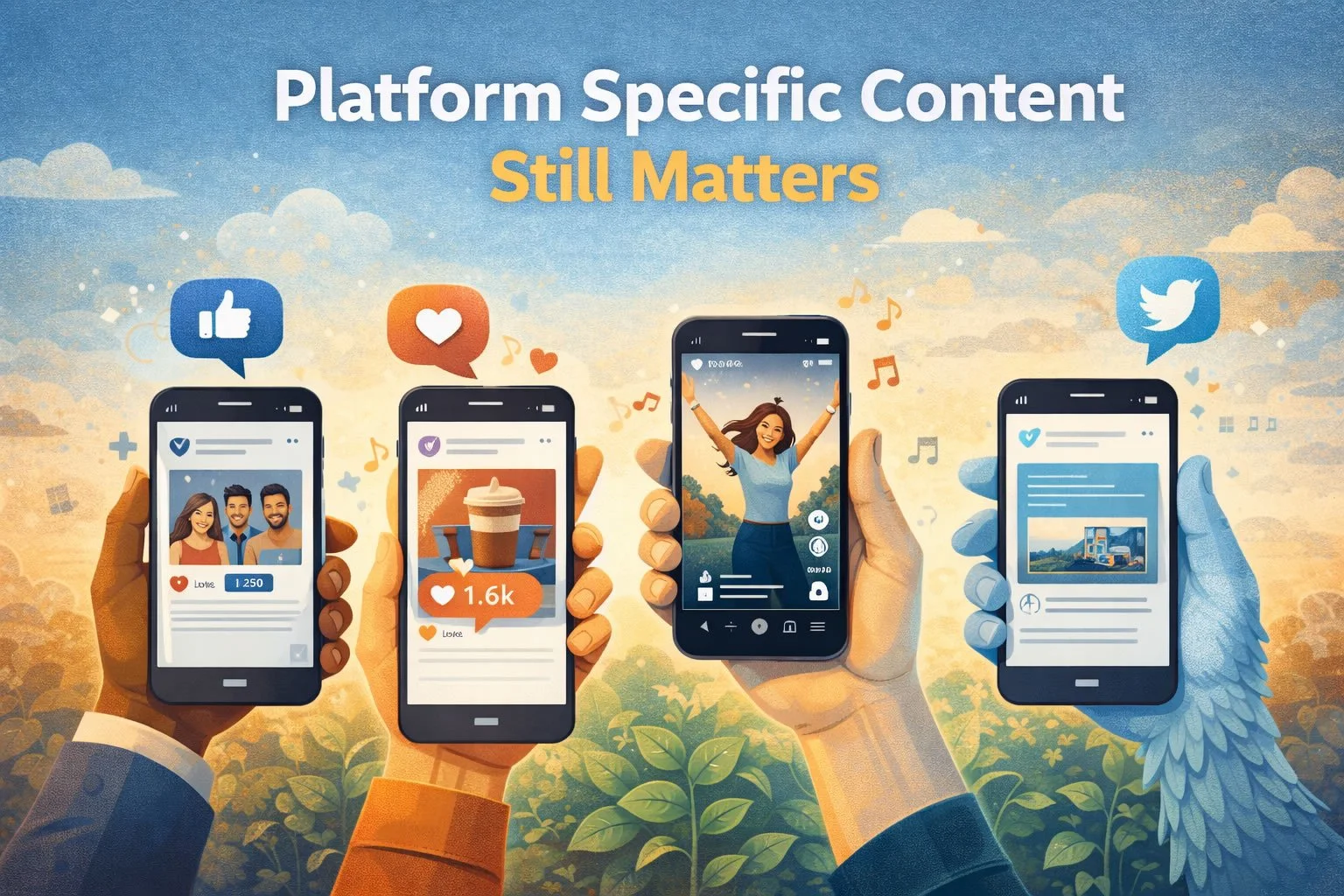
One size no longer fits all in social media marketing. Successful brands understand how each platform functions and tailor their approach accordingly.
On Instagram, you can see a difference in what lasts. Posts people save, share, or send to someone else tend to stick around longer. Simple explanations, practical ideas, or captions that tell a clear story usually hold up better than visuals that look good but offer little for people to do.
TikTok shows a similar pattern. Content that feels natural and easy to watch tends to travel farther than anything overly produced. When people stay through the video or come back for another look, reach follows. Polished brand spots rarely get the same traction.
LinkedIn continues to value perspective. Brands and leaders who share their experiences, lessons learned, and informed opinions can build their reach over time, even without dramatic spikes in engagement.
Posting the duplicate content everywhere, with only minor formatting changes, no longer works.
Audience First Content Is the Only Sustainable Path
The most reliable organic social strategies I see today are audience-first.
That means:
Starting with the real questions your audience asks
Creating content that solves or clarifies something
Measuring success by engagement depth, not impressions
When content is invaluable, people save it, share it, and send it to colleagues. This behavior still influences algorithms. It also fosters trust, which compounds in ways never before seen.
Paid and Organic Work Better Together
There is a hard truth brands need to accept.
Relying on organic social by itself has become harder to justify. Not because it stopped working entirely, but because it stopped being dependable on its own. Organic still plays a role, but it needs support now to hold steady.
What works best is using paid social media to support content that already resonates with the audience. This approach keeps essential messages in front of the right people, allows effective posts to reach a wider audience, and re-engages those who have previously shown interest. When used in this way, paid media stops feeling like a secondary option and becomes a multiplier for success rather than just a temporary fix.
How I Look at Organic Social Today
Spending time working with different brands has changed how I think about organic social. What it shows most clearly is what people actually respond to, not what should work on paper. It still plays a role in credibility, too. Before people trust a brand, they often scroll its social presence to see if it feels real. And over time, the posts that gain traction point to where paid support makes sense, rather than guessing from the outside.
When brands start looking at organic social through that lens, the tension around reach eases. The channel has a clearer job to do. Decisions feel less rushed, expectations level out, and strategy becomes more deliberate instead of reactive.
🙋♀️ Frequently Asked Questions Organic Social
Is organic social media still worth investing in?
Organic social still matters, but it works better with clear intent and some paid support behind it. Brands that balance the two tend to see steadier results than those relying on organic alone.
Why did our Instagram reach drop even though our content did not change?
Instagram no longer rewards the same things it used to. You can see it in what holds up. Posts that get saved, shared, or passed along last longer, while likes alone do not carry as much weight. Even solid content can stall if people do not engage with it early. To make it harder, these shifts often happen quietly, so drops in performance feel sudden with no apparent cause.
Why are TikTok views so inconsistent?
TikTok tends to move in waves. A post gets a slight push early, and what happens there matters a lot. If people do not stick with it or watch it through, things slow down fast. That is why one video can do well, and the next barely registers, even when nothing obvious changed in how it was made.
Is organic social media dead for brands?
No, but it is narrower than it used to be. Organic social is no longer a reliable reach engine on its own. It now works best as a signal builder that helps identify what resonates with your audience. Brands that adjust expectations and use organic insights to guide paid and owned channels continue to see value.
Do brands need paid social media to survive?
Paid social evened things out. It keeps essential posts in circulation longer and reaches people that organic doesn't always get to on its own. For most brands, using it alongside organic makes results feel more stable and easier to plan for than leaning too hard on either one.
What metrics matter more than reach now?
Engagement depth matters more than raw impressions. Saves, shares, comments, direct messages, and time spent with content are stronger indicators of performance. These signals not only influence algorithms but also show whether content is actually valuable for your audience.
How often should brands post on social media today?
Posting more often does not automatically lead to better results. What matters more is whether the content has a clear point and is worth someone's time. Brands that slow down and focus on fewer, stronger posts usually learn more from what they put out and build steadier momentum than those trying to fill the feed every day.
What kind of content performs best right now?
Posts that last tend to be useful. When something answers a real question or adds context, it holds up better than trend-driven or overly produced content. Simple tips and first-hand moments give people a reason to stop and engage.
How should brands think about organic social in 2026?
I believe that organic social works better when it supports the greater effort rather than carrying the weight on its own. When that pressure comes off, a brand's voice feels more natural, and the connection with the audience holds up better. The brands that seem most steady are clear on who they are talking to and why they are posting, rather than watching reach and trying to force engagement.
The B2The7 Final
Organic social media still works, but it has become harder to rely on it as in the past. Brands that adapt tend to spend less time chasing after algorithm changes and more time building systems they can control. This usually involves staying close to their audience, focusing on creating valuable content, and being intentional about how and where that content gets shared.
Brands that fail to make this shift often find themselves stuck in a cycle of monitoring metrics and waiting for their reach to improve. Unfortunately, it rarely does. The current opportunity lies not in abandoning social media but in changing how it is utilized and adjusting expectations regarding its impact.
📩 Get Weekly Trend Alerts in Your Inbox
Want these insights delivered straight to your inbox every week?
Sign up here to subscribe to the Trend Brief
Stay ahead of what’s moving in marketing, social, and tech.