First‑Party Data Explained: What It Is, How Brands Capture It, and Real Examples of Use
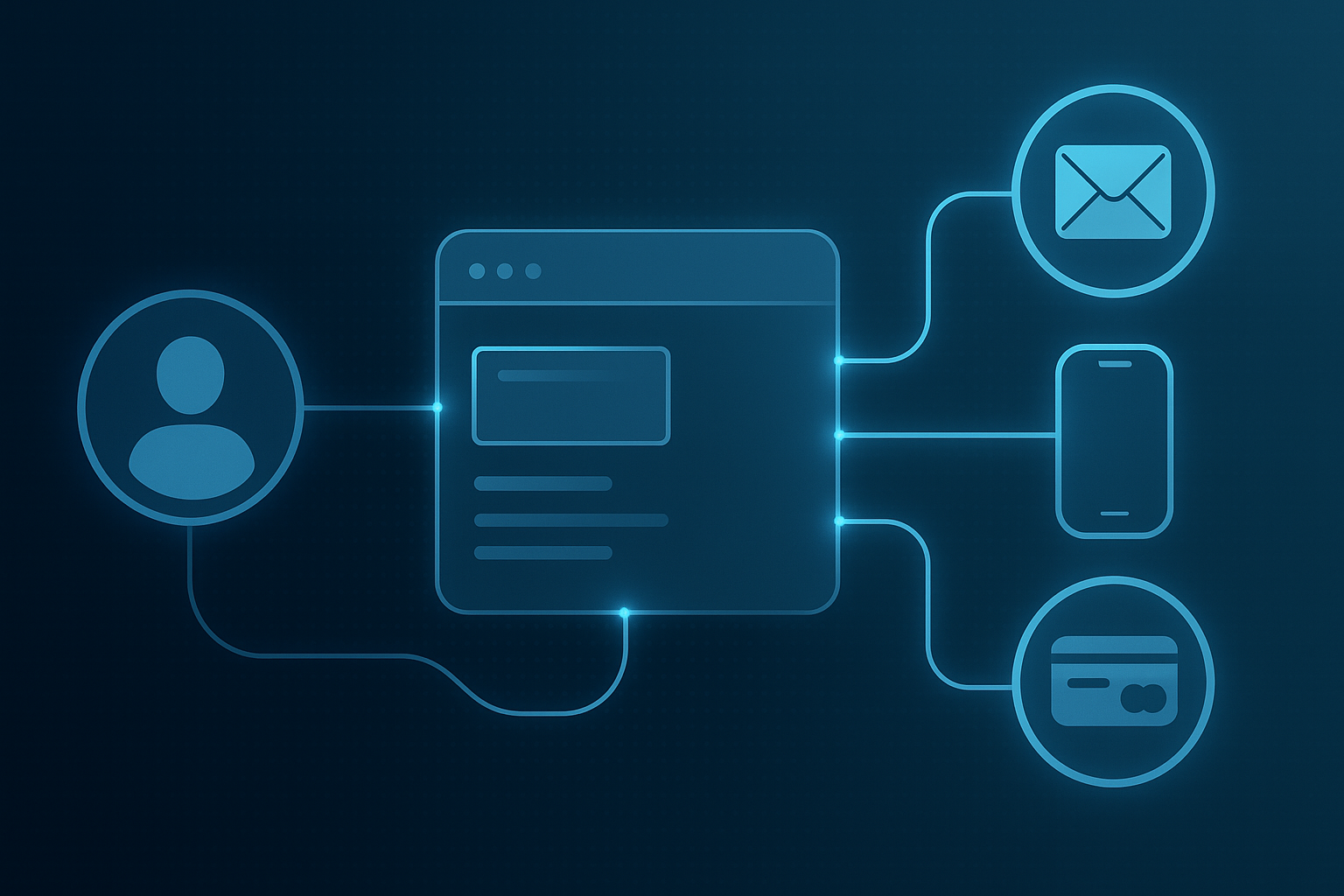
First-party customer data is the most valuable marketing asset your business can own — and with third-party cookies in Chrome essentially gone by mid-2026, brands that haven't built a first-party data strategy are already operating at a structural disadvantage. In this guide, Bernie Fussenegger of B2The7 explains exactly what first-party data is, why organizations using it are reporting 2.9x better customer retention and 1.5x higher marketing ROI, and how to build a complete first-party data system from the ground up — covering email list growth, loyalty programs, gated content, CRM integration, and the consent-based collection practices that make it sustainable long-term.
What You’ll Learn from This Article
What first-party data actually is — and why it's become the most valuable resource for brands that want to grow responsibly
The smartest, privacy-conscious ways to collect first-party data across your owned channels
How leading brands are organizing and connecting that data to get deeper, more actionable insights
Use cases that show fundamental ways to activate first‑party data in marketing
Strategic tips and tools to maximize your ROI with first‑party data
Let’s dig in!
What Is First‑Party Data?
First-party data is the info you gather straight from your own audience — your customers, site visitors, and leads — through channels you actually own. It's yours to manage, and because you collected it directly (with their permission), it's reliable and future-proof.
Examples include:
Website behavior: page views, session duration, clicks
CRM entries: contact info, purchase history
Email engagement: opens, clicks, unsubscribes
Loyalty program participation
In‑app actions or purchase behavior
Survey responses and feedback
Unlike second-party data you get from a partner or third-party data you buy from someone else, this is straight from the source — it's clean, accurate, and entirely in your hands.
Why First‑Party Data Matters Today
Several market forces have accelerated the shift toward first‑party data:
1. The End of the Third‑Party Cookie Era
With Google and other major browsers killing off third-party cookies, it's clear we're heading full speed into a world where data privacy and user consent aren't optional — they're the new standard.
2. Marketers Are Investing More in Personalization
Consumers now expect personalization — 71% want tailored interactions, and 85% of companies say they provide personalization (though only 60% of customers agree).
3. Higher ROI from First‑Party Data
A study found that using first‑party data can generate up to 2.9x more revenue and reduce costs by 1.5x compared to companies that don't leverage it.
4. Privacy Regulations Are Tougher
With laws like GDPR and CCPA in full force, collecting data directly with consent not only builds trust but also helps avoid compliance risk.
How to Capture First‑Party Data (Ethically and Strategically)
The goal here is to collect data in ways that respect privacy and offer value in exchange — not sneaky tracking or deceptive tactics.
1. Web and App Interactions
When you're tracking how people interact with your website or app, transparency is key.
Make sure you're using clear consent banners and cookie notices.
Stick with analytics tools that prioritize first-party tracking.
Keep an eye on meaningful behavior — like what pages they visit, how long they stay, what they click, or what they download.
2. Form Submissions and Lead Magnets
If you're asking for someone's info, make it worth their while.
Offer a high-value resource like an ebook or whitepaper
Invite them to a webinar that actually solves a real problem
Give them a reason to subscribe — not just another newsletter, but something helpful they'll look forward to
3. Loyalty Programs
Reward‑based programs are excellent for gathering ongoing data:
Purchase preferences
Frequency of engagement
Reward redemption behavior
4. Surveys and Feedback Tools
Ask customers directly:
Post‑purchase surveys
NPS feedback
Product reviews
5. CRM and Customer Service Interactions
Every touchpoint with your brand — support calls, chat sessions, account updates — feeds valuable first‑party data.
Organizing and Storing Your First‑Party Data
Collecting data is only half the battle — the real magic happens when you bring it all together and actually put it to use.
Customer Data Platforms (CDPs)
Think of a CDP as your command center. It pulls in data from all your key touchpoints — your site, app, CRM, and more — and connects the dots into a single view of each customer. That unlocks:
Smarter segmentation
More tailored, relevant messaging
A clear picture of the entire customer journey
Think of it as a single source of truth about your audience.
Data Privacy and Consent Management
Consent isn't just a checkbox — it's the foundation of trust. Using tools that manage consent preferences helps you stay compliant and shows customers you actually respect their privacy.
How Brands Use First‑Party Data: Real Examples
Let's get out of theory and into real-world examples — here's how brands are actually putting first-party data to work.
1. Personalized Email Campaigns
A retail brand segments its email list based on what customers have bought and how they've interacted with past emails. Instead of blasting everyone the same promo, they send curated offers — like winter gear to people who've shopped cold-weather items before.
→ Result: Better open and click rates, and a significant boost in loyalty.
2. Predictive Product Recommendations
A SaaS company digs into how users engage with features and identifies patterns that signal upgrade readiness. They trigger personalized messages at the right time.
→ Result: More upsells, fewer users falling off.
3. Lookalike Audiences That Actually Work
Rather than buying sketchy third-party lists, innovative brands use their high-value customer data to build lookalike audiences on platforms like Meta or Google Ads.
→ Why it works: These audiences are based on real behavior — so they perform better and stay privacy-compliant.
4. Dynamic Website Personalization
An e-commerce brand customizes the homepage experience depending on who's visiting.
First-time visitor? They see bestsellers.
Returning shopper? They see the exact product they browsed last time.
→ Result: More relevant experiences and higher conversions.
Returning visitors see products they've browsed previously
New visitors see bestsellers or trending items
Result: Higher conversion rates and longer sessions.
First‑Party Data Tools and Tech Stack
To execute first‑party data strategies effectively, brands often use:
Google Analytics 4 — for behavior tracking
CRM Platforms (e.g., Salesforce, HubSpot) — for customer records
CDPs (e.g., Segment) — for unifying data
Consent Management Platforms — for privacy compliance
Email and Automation Tools — for activation
Each tool plays a role in collecting, storing, analyzing, and activating first‑party data.
🙋♀️ Frequently Asked Questions
Q: What's the difference between first‑party and zero‑party data?
First‑party data comes from actual behaviors (such as purchases or site usage). Zero‑party data comes directly from what users intentionally tell you — preferences in a survey, for example. [Source: improvado.io]
Q: Do I need consent to collect first‑party data?
Yes. You must always collect data with clear disclosure and user permission — this builds trust and keeps you compliant. [Source: blog.hubspot.com]
Q: How much first‑party data do I need before it's useful?
Even small volumes can be powerful if they're high-quality and well segmented. Data usefulness often hinges on depth and relevance, not sheer volume.
Q: Can I still use third‑party data?
While first‑party data is more accurate and privacy‑safe, a hybrid approach (first + second party) can help expand the audience — just be cautious about third‑party reliance as privacy rules tighten. [Source: improvado.io]
Q: What is the biggest mistake brands make with first‑party data?
Collecting data without a clear plan for how to use it — leading to silos, underutilized insights, and wasted opportunity.
The B2The7 Final
The future of marketing is owned data. Brands that succeed will move beyond collecting information to activating it intelligently and ethically. That means:
Collecting data with consent
Unifying it across systems
Using it to personalize experiences
Continuously learning and optimizing
With customer expectations shifting and regulatory winds blowing toward privacy, first‑party data strategy isn't just smart — it's essential.
If you're ready to future‑proof your marketing with first‑party data, start by auditing your touchpoints and prioritizing the highest‑value interactions first.
Sources:
digitalmarketinginstitute.com (The End of Third-Party Cookies)
blog.hubspot.com (Privacy Regulations, Web Data Collection, CRM, CDPs, Consent Management)
improvado.io (Data Type Differences)
marketingltb.com (Personalization Stats)
commercemediabrandsummit.wbresearch.com (First-Party ROI Study)
shopify.com (Form Submissions, Loyalty Programs)
cohora.com (Surveys and Feedback Tools)
📩 Get Weekly Trend Alerts in Your Inbox
Want these insights delivered straight to your inbox every week?
Sign up here to subscribe to the Trend Brief
Stay ahead of what’s moving in marketing, social, and tech.